Quick Answer
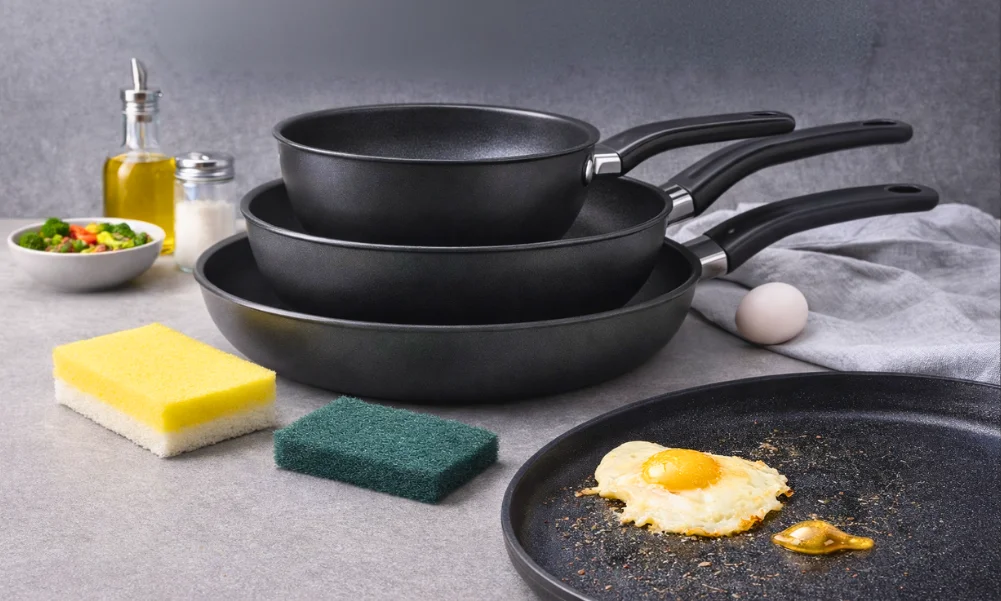
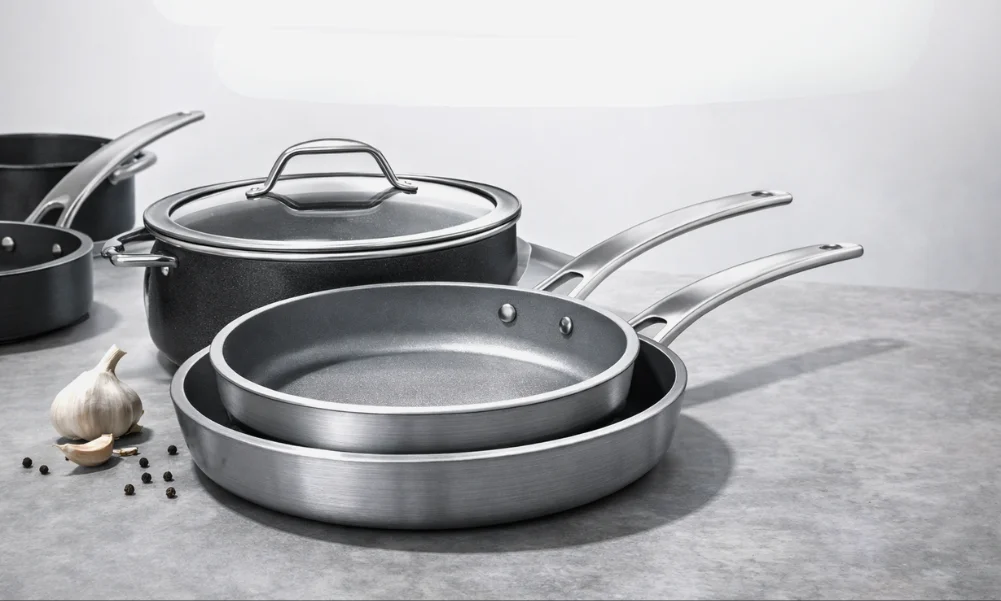
Ninja cookware sets use multiple material systems depending on product line, most commonly aluminum bodies paired with non-stick or ceramic-based coatings.
Performance depends on how each material system handles heat, wear, and cleaning rather than on brand identity alone.
Ninja cookware emphasizes versatility and ease of use, with longevity determined by coating condition, heat exposure, and daily handling habits.
What Defines Ninja Cookware as a Brand Entity
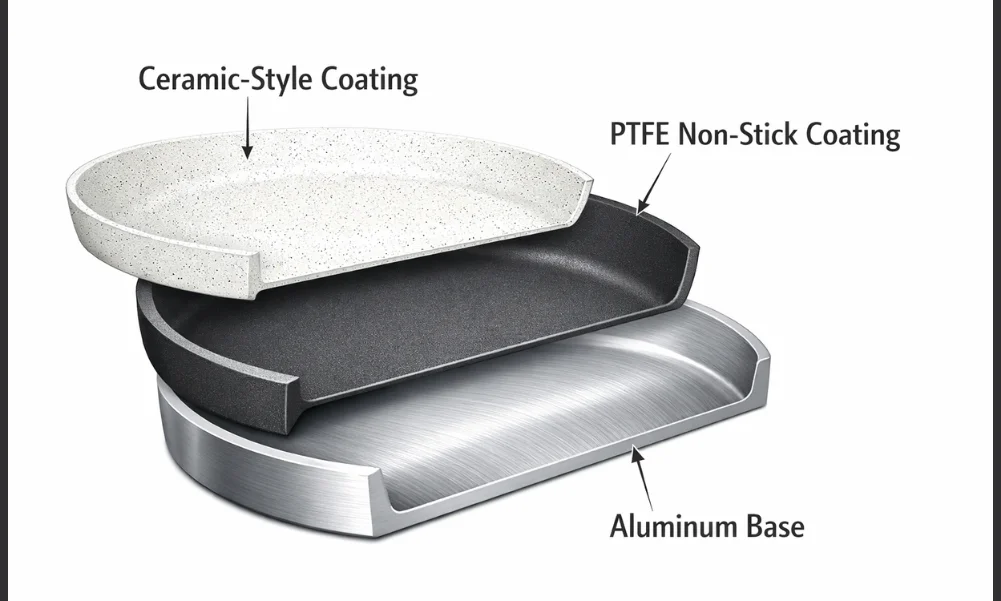
Ninja cookware does not operate as a single material category. Instead, it represents a collection of cookware systems designed for convenience-focused cooking.
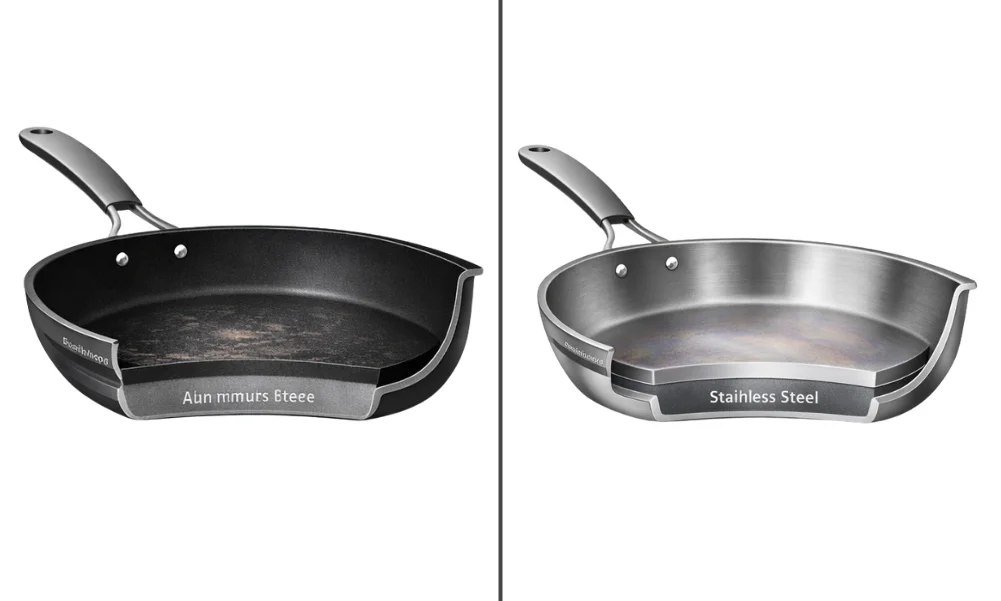
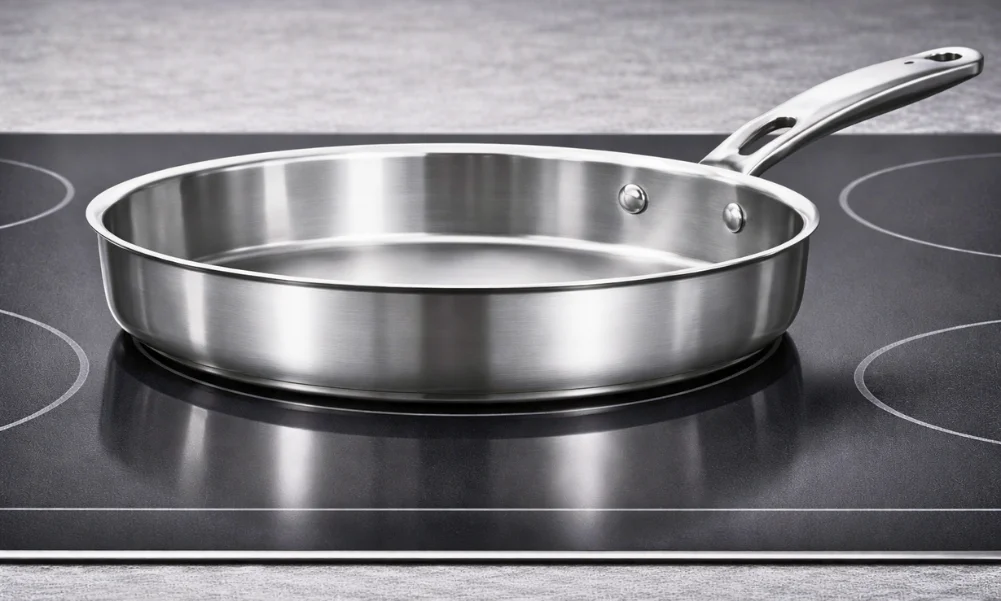
Across its sets, Ninja commonly uses aluminum bases for fast heat response, combined with either traditional PTFE non-stick coatings or ceramic-style coatings. Some sets incorporate stainless steel elements for structure or exterior durability.
This multi-system approach places Ninja within the broader coated cookware category rather than alongside foundational materials like cast iron or stainless steel. This classification aligns with how cookware categories are defined in Cookware Types Explained.
Core Materials Used in Ninja Cookware Sets
Most Ninja cookware sets rely on aluminum as the primary structural material. Aluminum provides quick heating and manageable weight, which supports everyday cooking tasks.
The cooking surface varies by line. Some sets use PTFE-based non-stick coatings, while others use ceramic-style coatings marketed for ease of cleaning.
In both cases, the coating governs food release and wear behavior more than the aluminum beneath it.
Material performance follows the same physical limits discussed in Cookware Thickness and Heat Control, where base thickness affects stability and stress distribution.
Heat Behavior and Cooking Range
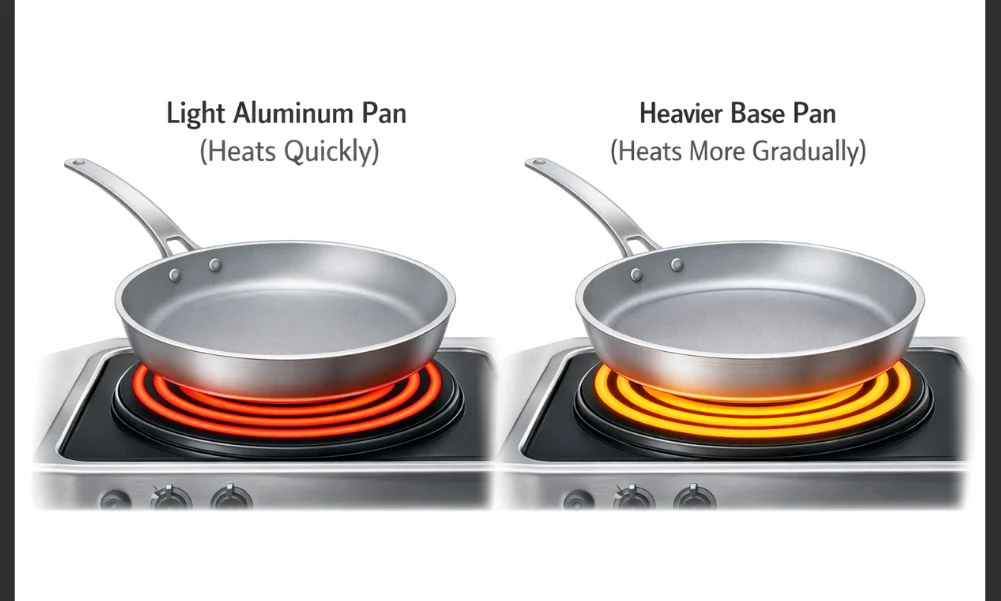
Ninja cookware is designed for low to moderate heat cooking. Aluminum responds quickly to burner changes, allowing controlled temperature adjustments during routine tasks.
High heat does not immediately damage the aluminum body but places stress on surface coatings. Repeated high-output use shortens coating lifespan even when cookware appears intact.
These limits align with general guidance discussed in Maximum Safe Heat for Different Cookware Materials and Heating Empty Cookware Is Risky.
Coating Performance Over Time
Coating behavior defines long-term performance for Ninja cookware. New cookware offers consistent food release and easy cleanup.
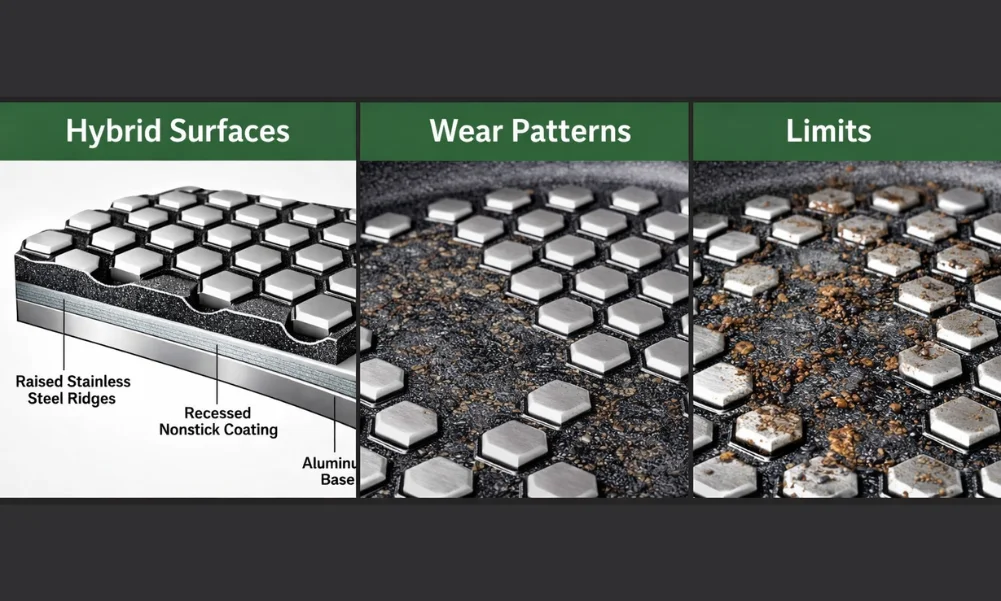
Over time, heat exposure, cleaning friction, and utensil contact gradually reduce coating effectiveness. Decline appears unevenly rather than as sudden failure.
These wear patterns mirror those described in When to Replace Non-Stick Cookware and Can You Damage Cookware by Over-Cleaning.
Typical Use Cases Where Ninja Cookware Fits Well
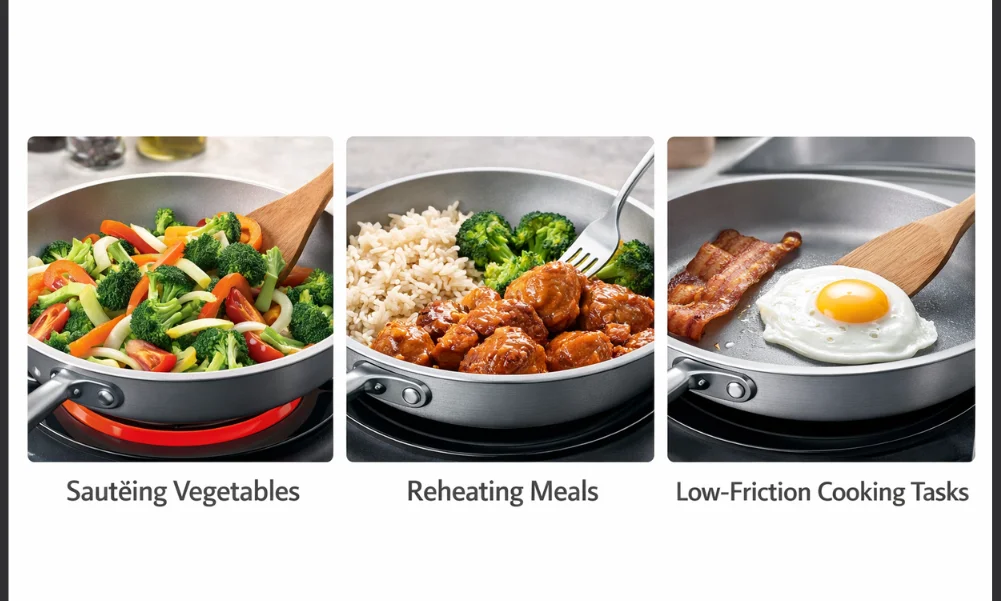
Ninja cookware sets suit cooking tasks that prioritize convenience and speed. Common use cases include:
- Everyday stovetop meals
- Quick sautéing and reheating
- Low-friction cooking that minimizes sticking
- Kitchens where cookware weight and handling ease matter
These strengths reflect system design rather than material durability.
Where Ninja Cookware Is Less Suitable
Ninja cookware is less suited to cooking styles that rely on sustained high heat or surface resilience. Prolonged searing, empty preheating, or heavy utensil contact accelerates coating wear.
Cookers who routinely use high heat or expect cookware to last decades may prefer uncoated materials discussed in Stainless Steel vs Non-Stick Cookware or Carbon Steel vs Non-Stick Cookware.
Safety and Stability Perspective
Safety for Ninja cookware depends on predictable heat response and intact surface coatings. The coatings used are manufactured without PFOA and are common across modern non-stick cookware.
Safety concerns emerge when coatings degrade or cookware becomes unstable due to warping or handle stress. These indicators are outlined in Signs Your Cookware Is No Longer Safe to Use.
As with other coated cookware, changes appear gradually rather than abruptly.
Longevity Expectations
Ninja cookware lifespan is limited by coating durability rather than metal failure. Aluminum bodies often remain structurally sound after non-stick performance declines.
Longevity patterns align with broader expectations discussed in How Long Should Cookware Last.
Replacement decisions typically follow performance changes rather than safety emergencies.
How Ninja Cookware Fits Into a Balanced Kitchen
Ninja cookware works best as part of a mixed-material kitchen setup. Pairing coated cookware with stainless steel or cast iron distributes cooking stress across materials.
This approach reduces overuse of non-stick surfaces and supports predictable performance across tasks, reflecting system-level guidance discussed in Cookware Storage Ideas That Protect Pots and Pans.
Practical Limitations to Consider
Ninja cookware does not provide long-term durability comparable to uncoated materials.
Coating lifespan is shortened by high heat, abrasive cleaning, and heavy utensil use. Structural integrity often outlasts usable non-stick performance.
Who Ninja Cookware Sets Are Best Suited For
Ninja cookware sets suit cooks who prioritize convenience, lighter cookware, and easy food release for everyday meals. They work well for low-to-moderate heat cooking where quick response and easy cleanup matter most.
Cooks who frequently use high heat or expect long coating lifespan may prefer uncoated cookware for those tasks.
Closing Summary
Ninja cookware sets use aluminum construction paired with non-stick or ceramic-style coatings to support everyday cooking convenience. Performance depends on coating condition, heat control, and daily handling rather than brand identity.
Longevity is limited by surface wear rather than structural failure. When used within intended heat ranges and paired with other cookware materials, Ninja cookware provides predictable performance over its functional lifespan.