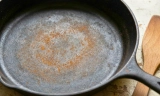
Quick Answer Rust on cookware indicates surface oxidation rather than immediate danger. Safety depends on cookware material, rust depth, and whether ...
 KitchenMarks Editorial

Quick Answer Cookware safety in homes with children relates to stability, heat retention, and attachment strength rather than material danger. Risks ...

Quick Answer Acidic foods interact with cookware surfaces differently depending on material stability and protective layers. These interactions usually ...
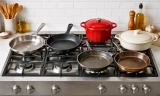
Quick Answer Heating empty cookware concentrates thermal stress because heat has no food or liquid to absorb energy. This concentrated stress affects ...
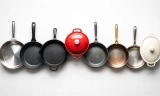
Quick Answer Maximum safe heat depends on how cookware materials respond to thermal stress over time. Most cookware handles typical household heat ...
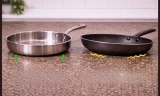
Quick Answer Cookware is no longer safe to use when it becomes unstable, structurally compromised, or unpredictable under heat. Safety issues are usually ...
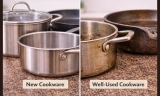
Quick Answer Cookware lifespan depends on material, construction quality, and how it is used. Some cookware, such as non-stick, is designed to wear out ...
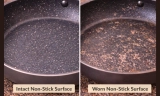
Quick Answer Non-stick cookware should be replaced when the coating no longer performs as intended or shows clear signs of breakdown. Replacement is not ...
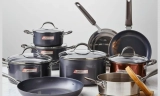
Cookware safety certifications can help you understand labels such as FDA-compliant, PFOA-free, PTFE-coated, LFGB-tested, Prop 65 warning, and non-toxic. ...

Teflon-coated cookware remains one of the most commonly used types of cookware in home kitchens. Its non-stick surface makes everyday cooking easier, reduces ...

Quick Answer: Aluminum cookware can be safe for everyday use when the surface is intact and the pan is used at normal household temperatures. Bare ...


