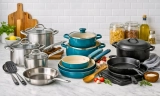
The best cookware sets isn’t defined by brand names or price—it’s defined by how it performs in everyday cooking. Some cookware distributes heat evenly and ...
 KitchenMarks Editorial

Quick Answer There is no universal “best” cookware. Performance depends on use, heat, handling, and maintenance realities. Our selection process focuses on ...

Quick Answer: How to Choose Cookware Material at a Glance Cookware material choice depends on heat behavior, maintenance tolerance, weight, and cooking ...

Quick Answer Cookware works when it matches how you cook, not how it is marketed. Material, weight, and shape determine performance far more than brand or ...
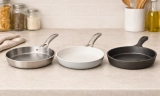
Quick Answer PFAS-free cookware regulations expanded significantly in 2025–2026, changing how non-stick cookware is manufactured, labeled, and sold. ...
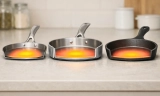
Quick Answer: What Actually Controls Heat Distribution in Cookware Heat distribution in cookware depends on material conductivity, thickness, core design, ...

Quick Answer The safest non-toxic cookware options are made from materials that remain chemically and structurally stable during everyday cooking. ...

Quick Answer Ninja cookware sets use multiple material systems depending on product line, most commonly aluminum bodies paired with non-stick or ...

Quick Answer T-Fal cookware sets rely on aluminum construction paired with PTFE-based non-stick coatings. Performance depends on coating condition more ...
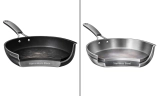
Quick Answer Calphalon cookware is offered primarily in two construction types: hard-anodized aluminum and stainless steel. These materials behave ...
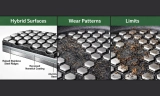
Quick Answer HexClad cookware sets use a hybrid construction that combines a stainless steel surface pattern with a nonstick coating applied in recessed ...
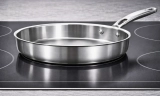
Quick Answer Cuisinart stainless steel cookware is defined by layered metal construction rather than surface coatings. Performance depends on core ...
- 1
- 2
- 3
- …
- 6
- Next Page »


