Blog

Quick Answer Acidic foods interact with cookware surfaces differently depending on material stability and protective layers. These interactions usually ...
 KitchenMarks Editorial
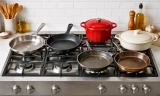
Quick Answer Heating empty cookware concentrates thermal stress because heat has no food or liquid to absorb energy. This concentrated stress affects ...
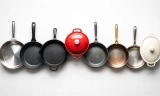
Quick Answer Maximum safe heat depends on how cookware materials respond to thermal stress over time. Most cookware handles typical household heat ...
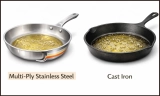
Quick Answer The best oil depends on the cookware material, the heat level, and the cooking goal. Oil choice affects how food releases, how residue builds ...

Quick Answer Induction cooking does not damage cookware on its own. Damage usually comes from how induction heat is used rather than from the technology ...
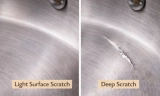
Quick Answer Whether scratched cookware can be repaired depends on the material and the depth of the scratch. Light surface marks on some cookware are ...
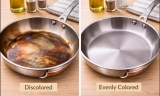
Quick Answer Cookware discoloration is usually cosmetic rather than a safety problem. It occurs when heat, minerals, oils, or detergents change the surface ...
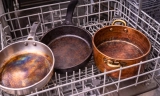
Quick Answer Dishwasher use is not equally damaging to all cookware. The primary stressors are heat, alkaline detergents, and mechanical movement, not ...
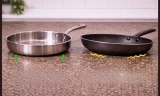
Quick Answer Cookware is no longer safe to use when it becomes unstable, structurally compromised, or unpredictable under heat. Safety issues are usually ...
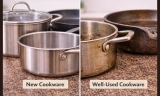
Quick Answer Cookware lifespan depends on material, construction quality, and how it is used. Some cookware, such as non-stick, is designed to wear out ...
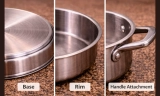
Quick Answer High-quality cookware is defined by construction, material choice, and manufacturing consistency, not by brand name alone. Thickness, heat ...
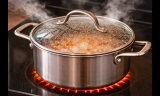
Quick Answer Waterless cookware refers to cookware designed to cook foods using their natural moisture rather than added liquid. It relies on tight-fitting ...


