Quick Answer
Dishwasher use is not equally damaging to all cookware. The primary stressors are heat, alkaline detergents, and mechanical movement, not water itself. Some cookware materials tolerate occasional dishwasher use with minimal impact. Other materials experience faster wear and shortened lifespan when exposed repeatedly. Damage is usually gradual and material-dependent rather than immediate or universal.
What Dishwashers Actually Do to Cookware
Dishwashers clean by combining three forces: heat, chemistry, and motion. Each of these affects cookware differently.
Water temperature rises higher and stays elevated longer than during most hand washing. This prolonged heat exposure places stress on coatings, bonded layers, and handle attachments. The effect is subtle at first, but repeated cycles compound it over time.
Dishwasher detergents are alkaline by design. They are effective at breaking down food residues, but they are also more aggressive than typical hand-washing soaps. On some surfaces, this chemistry dulls finishes or accelerates coating wear.
Mechanical movement adds another layer. Cookware shifts during wash cycles, comes into contact with racks or other items, and experiences vibration. This contact creates abrasion that does not occur during careful hand washing.
A helpful way to think about dishwasher cleaning is as a high-efficiency shortcut. It saves time, but it asks cookware to tolerate harsher conditions in exchange. Whether that trade-off is acceptable depends on the material and how often it is repeated.
Why Dishwasher Damage Is Often Misunderstood
Dishwasher impact is often described in absolute terms. Cookware is labeled “dishwasher-safe” or “not dishwasher-safe,” which implies a clear boundary. In reality, most outcomes sit on a spectrum.
This variation exists because cookware materials respond differently to heat, detergents, and movement. See Cookware Types Explained: Materials, Uses, and Limitations for a breakdown by material.
“Dishwasher-safe” usually means a product can survive dishwasher use without immediate failure. It does not mean the cookware will remain unchanged indefinitely. Longevity and appearance can still be affected, especially with frequent use.
Another source of confusion is timing. Dishwasher-related damage rarely appears after one cycle. It accumulates gradually. A pan may look fine for months, then begin to show dulling, reduced non-stick performance, or loosened attachments.
For buyers, this matters because damage feels disconnected from cause. The dishwasher seems harmless until wear becomes noticeable. Understanding that the process is cumulative helps explain why occasional use and habitual use produce very different outcomes.
This context also connects closely with when to replace non-stick cookware. Replacement decisions are rarely triggered by one event. They are the result of repeated, small stresses adding up.
Cookware Most Affected by Dishwasher Use
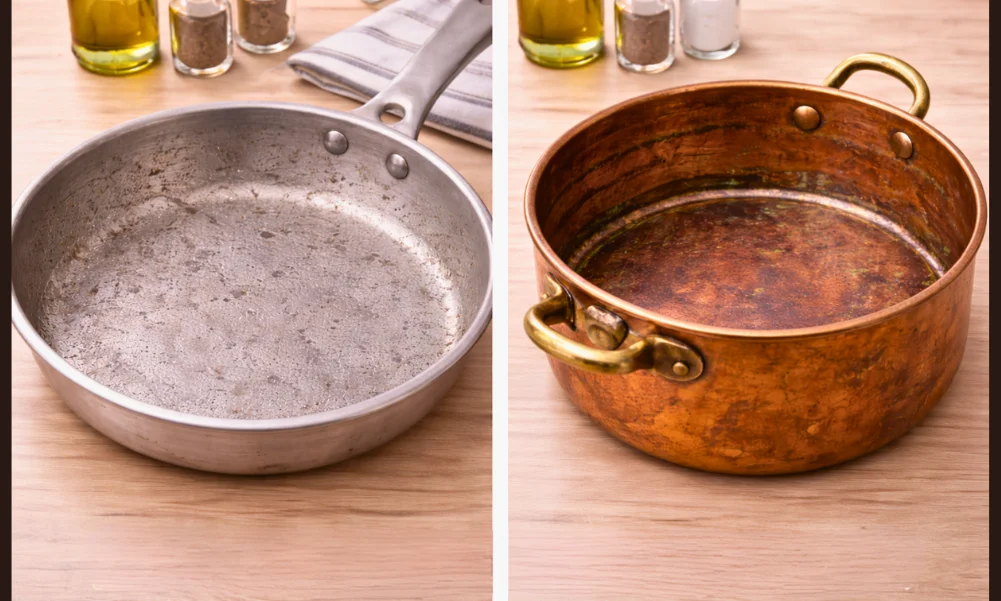
Some cookware materials show wear more quickly when exposed to dishwasher conditions. The effects are usually gradual, but they shorten functional lifespan over time.
Non-Stick Cookware
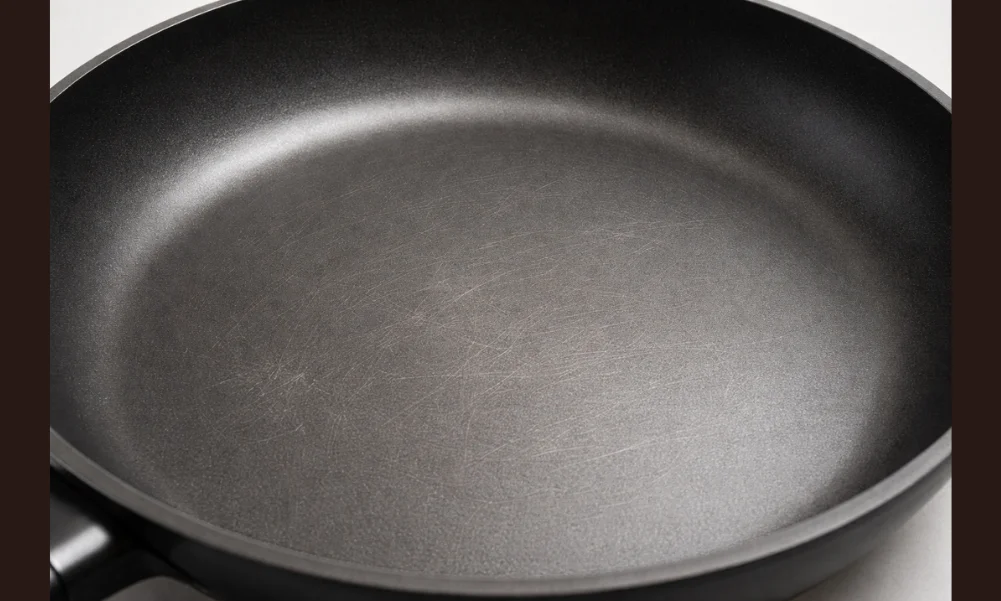
Non-stick cookware is the most sensitive to dishwasher use. Prolonged heat during drying cycles stresses the coating. At the same time, alkaline detergents slowly erode the surface that provides food release.
The result is not sudden failure. Instead, non-stick performance fades earlier than expected. Food may begin to stick even when heat and oil use remain unchanged.
This pattern often leads users to question the cookware rather than the cleaning method. Over time, repeated dishwasher use becomes a contributing factor in when to replace non-stick cookware, even if no single cycle caused obvious damage.
Aluminum Cookware
Bare or anodized aluminum reacts poorly to dishwasher detergents. The alkaline environment can dull the surface, create chalky residue, or cause pitting.
These changes are mostly cosmetic at first. However, pitting alters how heat moves across the surface and can make cleaning more difficult. In thin aluminum cookware, repeated dishwasher exposure may also accelerate warping.
Aluminum cookware benefits most from gentler cleaning habits when longevity is a priority.
Copper Cookware
Copper cookware is structurally resilient but cosmetically sensitive. Dishwasher detergents strip protective finishes and accelerate tarnishing.
While performance may not suffer immediately, appearance changes quickly. For buyers who value copper’s visual qualities, dishwasher use often creates dissatisfaction long before the cookware stops functioning well.
Cookware Least Affected by Dishwasher Use
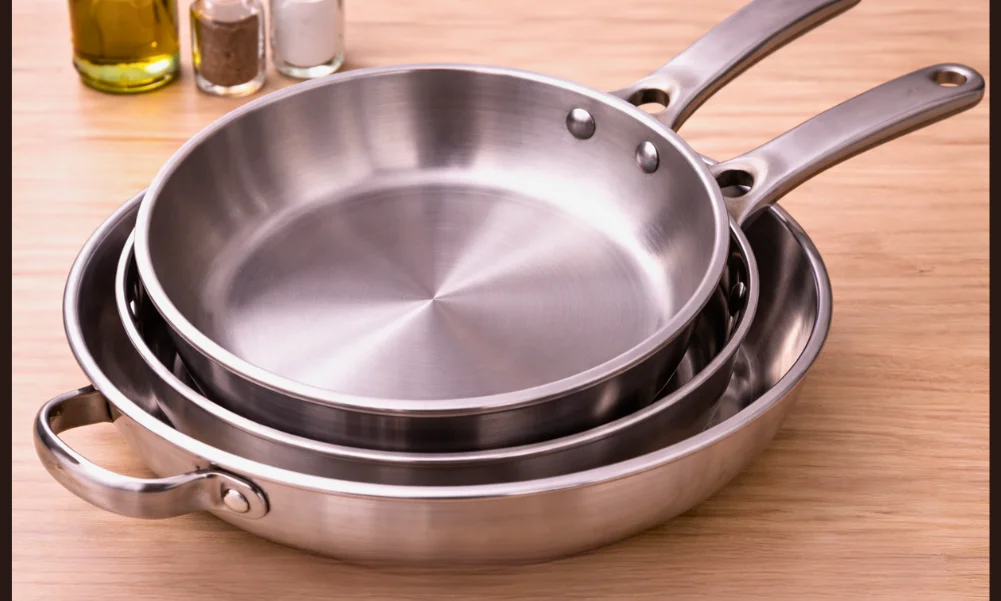
Other materials tolerate dishwasher conditions better, especially when exposure is occasional rather than routine.
Stainless Steel Cookware
Stainless steel is the most dishwasher-tolerant common cookware material. It resists corrosion and handles heat cycles well.
That said, repeated dishwasher use can still cause discoloration or spotting. These changes are cosmetic and usually do not affect performance. Over time, aggressive detergents may also dull polished finishes.
From a functional standpoint, stainless steel remains stable. This resilience explains why stainless steel often appears unaffected while other cookware shows early wear.
Glass Cookware
Glass cookware is chemically inert, which makes it resistant to detergent-related damage. Dishwasher use does not typically affect performance.
However, glass is sensitive to physical stress. Chips and microcracks accumulate over time, especially if cookware shifts during wash cycles. These issues relate more to handling than to cleaning chemistry.
Occasional dishwasher use is usually acceptable. Careful placement reduces long-term risk.
Enameled Cast Iron (With Limits)
Enameled cast iron tolerates dishwasher conditions better than bare cast iron, but limits still apply. The enamel surface resists detergents, yet rims and edges can chip if cookware contacts racks or other items.
Frequent dishwasher use may also dull enamel over time. Performance remains largely unchanged, but appearance can suffer.
Hand washing extends the visual lifespan, even if dishwasher use does not immediately compromise function.
When Dishwasher Use Is Reasonable
Dishwasher use becomes a question of frequency and priorities rather than right or wrong.
Occasional dishwasher cleaning, especially for stainless steel or glass cookware, is unlikely to cause meaningful harm. It can be a practical choice during busy periods or when convenience matters.
Habitual dishwasher use, particularly for non-stick or aluminum cookware, shortens lifespan. The trade-off becomes visible over months or years rather than days.
A balanced approach often works best. Reserving hand washing for sensitive cookware while using the dishwasher selectively reduces unnecessary wear without demanding perfection.
Signs Dishwasher Use Is Causing Damage

Dishwasher-related wear follows recognizable patterns. Non-stick cookware may lose release performance sooner than expected. Aluminum surfaces may develop dullness or pitting. Copper may tarnish rapidly. Handles may loosen gradually as heat cycles stress attachment points.
These signs align closely with Signs Your Cookware Is No Longer Safe to Use, which focuses on functional warning signals rather than cosmetic wear. Noticing these changes early allows buyers to adjust habits before replacement becomes necessary.
Hand Washing vs Dishwasher: A Practical Trade-Off

Hand washing is gentler because it reduces heat exposure, chemical strength, and abrasion. For cookware where longevity matters most, this approach pays off over time.
Dishwashers offer efficiency and consistency. For durable materials, the trade-off may be acceptable. For sensitive surfaces, the cost is accelerated wear.
Thinking in terms of task-based care helps. Use the dishwasher for resilient pieces. Hand wash cookware where performance depends on surface integrity.
This approach aligns cleaning effort with material limits rather than rigid rules.
How Dishwasher Use Fits Into Long-Term Cookware Care
Dishwasher use is one factor among many that shape cookware lifespan. Heat management, utensil choice, and storage habits matter just as much.
No single cleaning method determines outcome. Instead, patterns of use accumulate. Adjusting one habit can extend usable life without requiring complete behavior change.
Understanding these trade-offs supports informed ownership rather than guilt-driven decisions.
Closing Summary
Dishwasher use does not damage all cookware equally. Heat, detergents, and movement create stress that some materials tolerate better than others.
Non-stick, aluminum, and copper cookware show wear more quickly with repeated dishwasher use. Stainless steel and glass are more resilient, though not immune to cosmetic change.
Occasional dishwasher use is often reasonable. Habitual use shortens lifespan for sensitive materials. Matching cleaning methods to cookware type allows buyers to balance convenience with longevity in a calm, practical way.