Blog
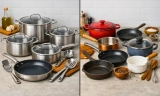
Quick Answer A cookware set and individually selected pieces serve different ownership patterns rather than different quality levels. Sets emphasize ...
 KitchenMarks Editorial
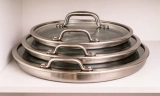
Quick Answer Cookware lid storage affects more than space usage. Poor storage increases rim stress, surface wear, and impact damage over time. Practical ...
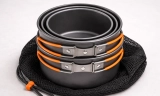
Quick Answer Camp cookware sets face different stresses than indoor cookware because outdoor cooking environments are less controlled. Performance depends ...
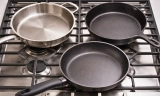
Quick Answer Frying places concentrated stress on cookware because it involves direct surface contact, rapid heat transfer, and repeated thermal cycling. ...
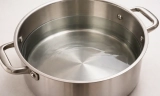
Quick Answer Pasta cookware works best when pot size and shape allow stable boiling and consistent water movement. Performance depends more on vessel ...
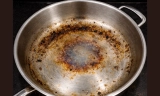
Quick Answer Bar Keepers Friend can help remove certain surface residues from cookware, especially mineral deposits and heat-related discoloration. Its ...
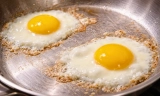
Quick Answer Eggs stick to stainless steel because their proteins bond strongly to bare metal during early heat exposure. This bonding is temporary and ...
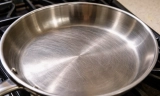
Quick Answer Stainless steel cookware is rarely damaged by cleaning itself, but by repeated surface stress that alters finish and residue behavior over ...
Quick Answer Over-cleaning cookware refers to repeated or aggressive surface abrasion beyond what materials are designed to tolerate. This stress usually ...
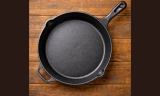
Quick Answer Seasoning cast iron works best when it forms a thin, stable layer that bonds evenly to the iron surface. The durability of that layer depends ...
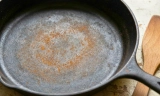
Quick Answer Rust on cookware indicates surface oxidation rather than immediate danger. Safety depends on cookware material, rust depth, and whether ...
Quick Answer Cookware safety in homes with children relates to stability, heat retention, and attachment strength rather than material danger. Risks ...


