Quick Answer
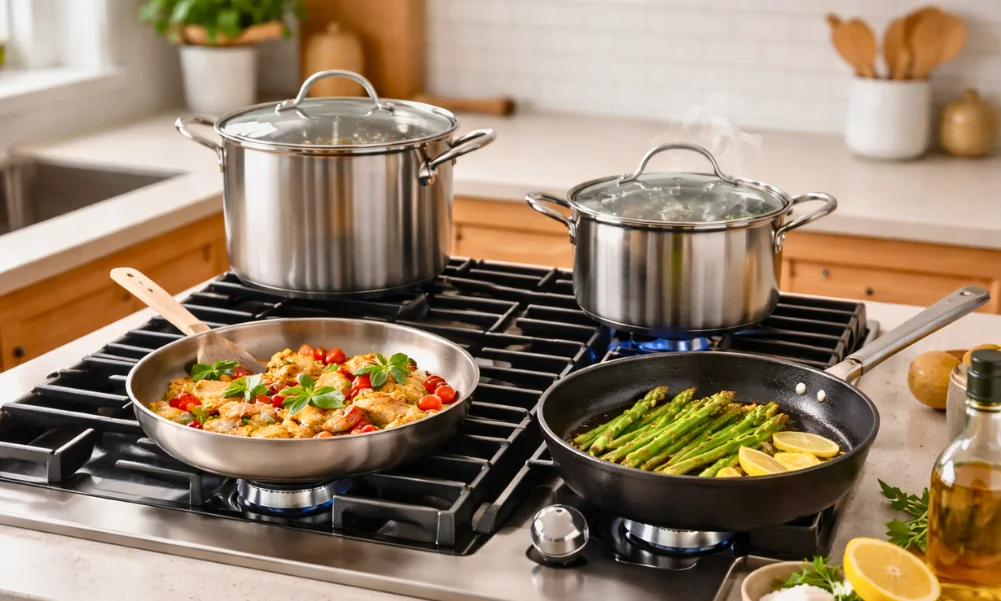
Acidic foods interact with cookware surfaces differently depending on material stability and protective layers. These interactions usually affect surface condition and performance before creating safety concerns. Material behavior under repeated exposure matters more than acidity alone.
What “Acidic Foods” Means in a Cooking Context
In cooking, acidic foods include ingredients that naturally contain higher acid content. Common examples include tomatoes, vinegar-based sauces, citrus ingredients, and fermented preparations.
Acidity matters because it influences how food interacts with cookware surfaces. It does not describe a hazard or contamination risk by itself.
Acidic exposure varies widely during cooking. Brief contact during preparation differs from prolonged simmering or repeated use.
These differences help explain why cookware may show surface changes over time without indicating a safety problem.
How Acidity Interacts With Cookware Surfaces
Acidity affects cookware primarily at the surface level. The interaction depends on whether the surface is reactive, protected, or coated.
Some materials develop stable surface layers that limit interaction. Others rely on coatings or treatments to separate food from the base metal.
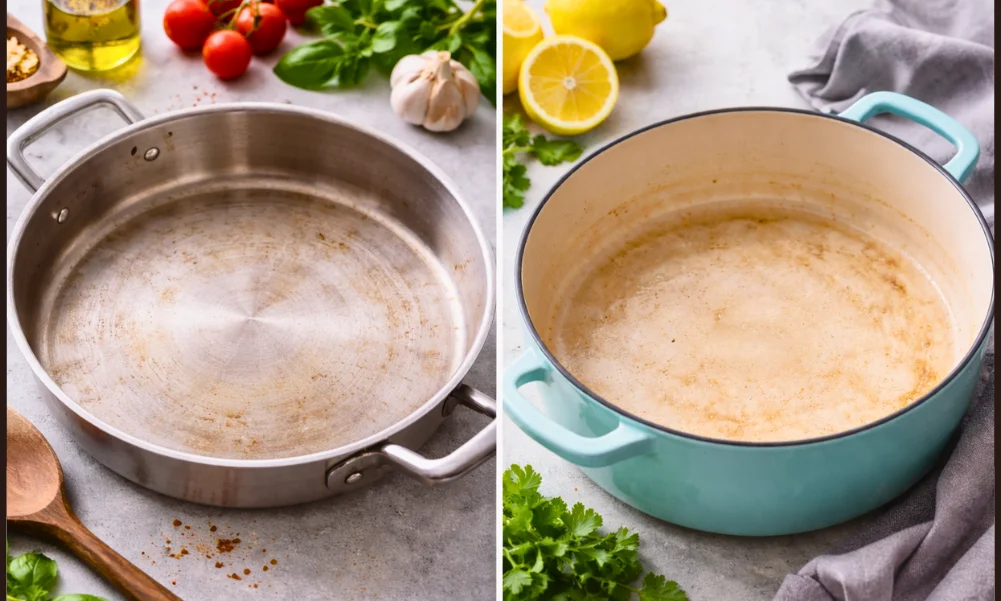
Repeated acidic exposure can accelerate surface wear. This wear often appears as dulling, discoloration, or reduced surface performance.
Structural integrity is rarely affected by acidity alone. Changes tend to remain superficial long before safety becomes relevant.
Understanding this distinction clarifies why acidic cooking influences longevity more than safety.
Material-Specific Response to Acidic Foods
Different cookware materials respond to acidic foods based on surface stability and protective layers. These responses influence appearance and performance before raising safety considerations.
Stainless Steel Cookware
Stainless steel cookware resists acidic interaction due to a stable oxide surface layer. This layer limits direct contact between food acids and the underlying metal.
Under repeated acidic exposure, surface dulling or light discoloration may develop. These changes affect appearance rather than structural stability or safety.
Prolonged acidic cooking can reduce surface shine without altering performance predictability. Material behavior in this category aligns with expectations discussed in stainless steel cookware sets.
Cast Iron and Carbon Steel Cookware
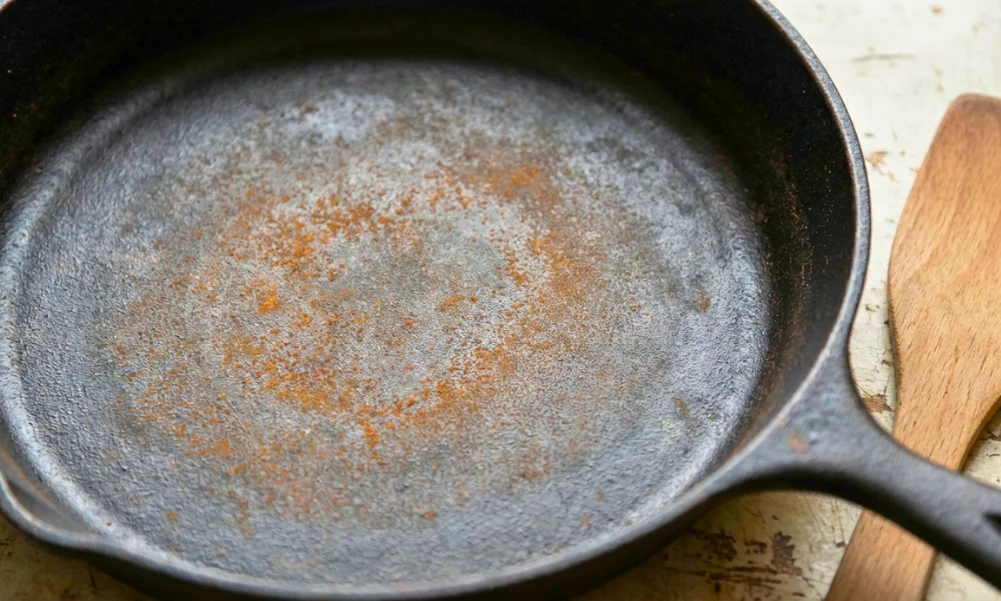
Cast iron and carbon steel rely on surface seasoning to limit interaction with acidic foods. Acidity gradually erodes this surface layer rather than weakening the base metal.
Repeated exposure often leads to changes in surface behavior. These changes may include reduced non-stick performance or uneven appearance.
Structural integrity remains unaffected by acidity alone. Material differences and surface behavior are compared further in carbon steel vs cast iron cookware.
Aluminum Cookware
Aluminum cookware shows greater surface interaction with acidic foods when unprotected. Acidity can alter surface appearance and influence taste transfer in some conditions.
Anodized aluminum limits this interaction by creating a hardened surface layer. The base material remains structurally stable despite surface changes.
These distinctions are explored in is aluminum cookware safe for everyday use. Longevity effects typically appear before any safety relevance.
Non-Stick Cookware
Non-stick cookware limits direct interaction between acidic foods and the base material. Surface stability depends on coating condition rather than acidity itself.
Repeated acidic exposure may accelerate coating wear. This often appears as reduced surface consistency rather than visible damage.
Performance changes usually precede safety considerations. Replacement context related to surface condition is discussed in when to replace non-stick cookware.
Ceramic-Coated Cookware
Ceramic-coated cookware relies on surface coatings to separate food from the base metal. Acidic exposure contributes to gradual coating wear over time.
Surface dulling or loss of release properties may occur with repeated use. These effects reflect longevity changes rather than immediate safety concerns.
Material behavior and coating limits are explained further in ceramic cookware explained.
Copper Cookware (Lined)
Copper cookware uses an interior lining to prevent direct contact with food. Acidic foods interact with the lining material rather than copper itself.
Over time, acidic exposure contributes to lining wear. This affects performance predictability before impacting structural integrity.
Maintenance and lining behavior are detailed in copper cookware performance maintenance.
Glass and Enamel-Coated Cookware
Glass and enamel-coated cookware remain chemically inert under acidic cooking. Food acids do not interact with the cooking surface in a meaningful way.
Surface appearance may change due to heat or staining rather than chemical reaction. Structural safety remains unaffected by acidity in normal cooking contexts.
Relevant surface and heat behavior is discussed in glass cookware heat safety and enameled cast iron cookware pros cons care.
Transition Note
Across materials, acidic foods primarily influence surface condition and longevity. Safety relevance appears only after prolonged wear alters cookware behavior.
Acidic Cooking Compared With Neutral Cooking
Acidic cooking places different demands on cookware surfaces than neutral cooking. The difference relates to surface interaction rather than heat intensity or cooking duration alone.
Neutral foods interact minimally with most cookware surfaces. Acidic foods engage protective layers, coatings, or oxide films more actively.
This interaction increases surface wear over time. It does not accelerate structural failure in typical household cooking.
These distinctions explain why cookware may appear altered after acidic cooking while remaining mechanically stable.
Longevity and Safety Under Acidic Cooking
Acidic exposure influences cookware lifespan before affecting safety. Surface wear develops gradually through repeated contact rather than isolated use.
Changes often appear as discoloration, dulling, or reduced surface consistency. These indicators reflect performance aging rather than unsafe conditions.
Clear lifespan expectations are outlined in how long should cookware last. Mechanical warning signs that matter for safety are described in signs your cookware is no longer safe to use.
Understanding this sequence helps separate normal surface aging from conditions that warrant closer evaluation.
Common Misunderstandings About Acidic Foods and Cookware
Acidic foods are often assumed to make cookware unsafe. This assumption overlooks how materials are designed to manage surface interaction.
Surface discoloration is frequently interpreted as contamination. In most cases, it reflects cosmetic change rather than material failure.
Concerns about material transfer are often overstated. Cookware safety depends on structural integrity and surface stability, not isolated exposure.
Relevant material standards and testing frameworks are discussed in cookware safety certifications explained.
Internal Context and Material Overview
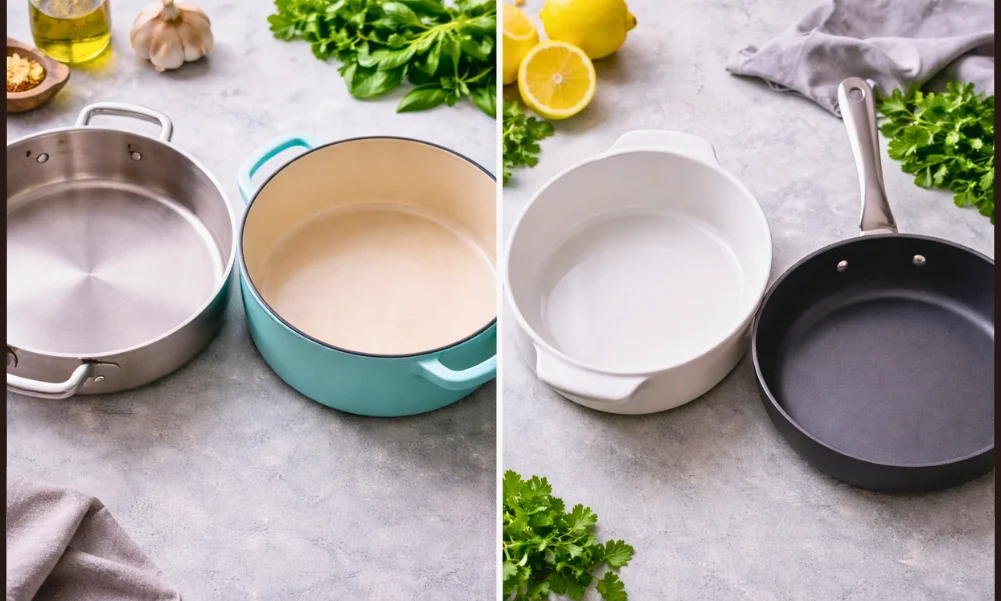
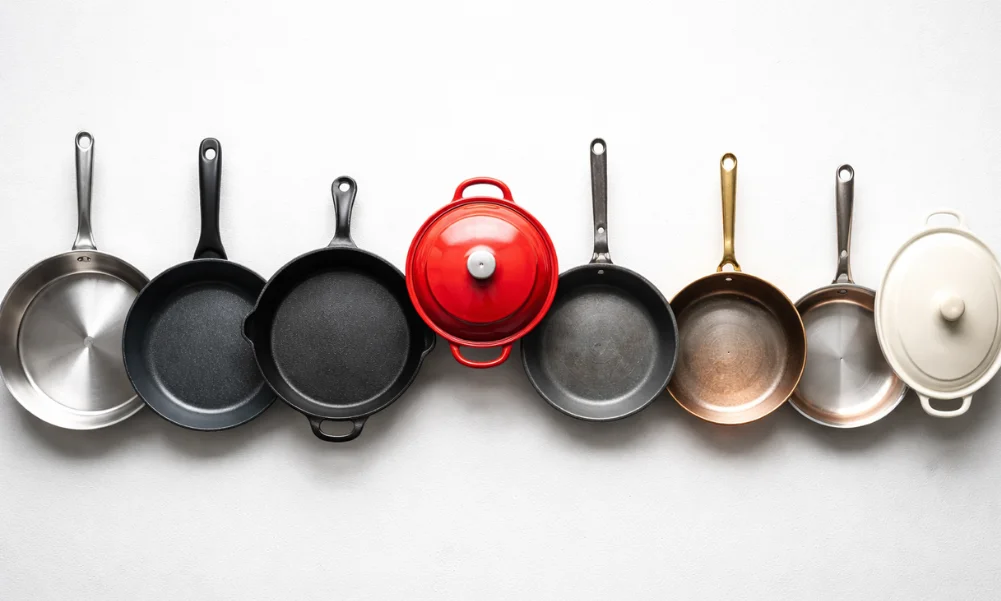
Understanding acidic interaction benefits from viewing cookware materials as a system. Each material balances surface protection, heat behavior, and durability differently.
A broader comparison of these material characteristics appears in cookware types explained. This context helps explain why no single material responds identically under acidic conditions.
Closing Summary
Acidic foods interact with cookware surfaces in material-specific ways. These interactions primarily affect surface condition and performance over time.
Longevity changes usually appear before safety concerns become relevant. Structural stability remains intact across most materials under normal acidic cooking.
Understanding material behavior clarifies realistic expectations without overstating risk.