Quick Answer
Rust on cookware indicates surface oxidation rather than immediate danger. Safety depends on cookware material, rust depth, and whether oxidation affects structural stability or surface predictability. In most cases, performance and longevity change before safety becomes relevant.
In many cases, lightly rusted cookware can still be used safely after appropriate cleaning, depending on material and rust depth.
What Rust Represents in Cookware
Rust forms when iron-containing materials react with moisture and oxygen over time. This process is gradual and usually begins at exposed or unprotected surfaces.
In cookware, rust most often appears where protective layers have worn away. These areas include edges, seams, cooking surfaces, or regions with repeated moisture exposure.
Rust itself describes a chemical surface change. It does not automatically indicate structural weakness or unsafe conditions.
The significance of rust depends on how deeply oxidation progresses into the material. Surface-level rust affects appearance and performance before altering strength or stability.
Understanding rust as a condition rather than a failure helps clarify its relevance to safety.
How Rust Develops Over Time
Rust development follows predictable patterns based on exposure and material protection. Moisture contact initiates oxidation, while repeated drying and heating accelerate progression.
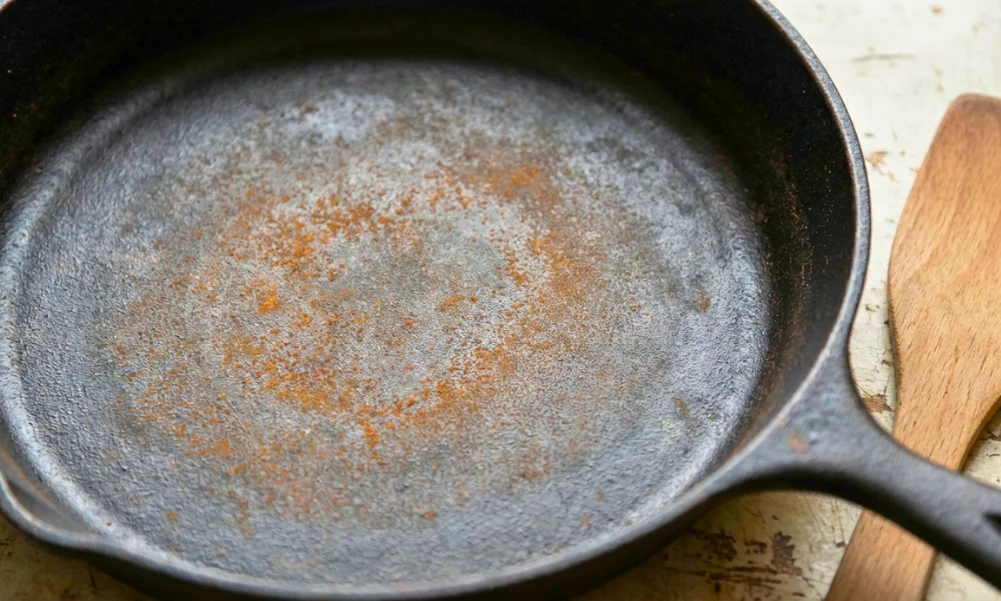
Early-stage rust often appears as light surface discoloration. At this stage, oxidation remains superficial and localized.
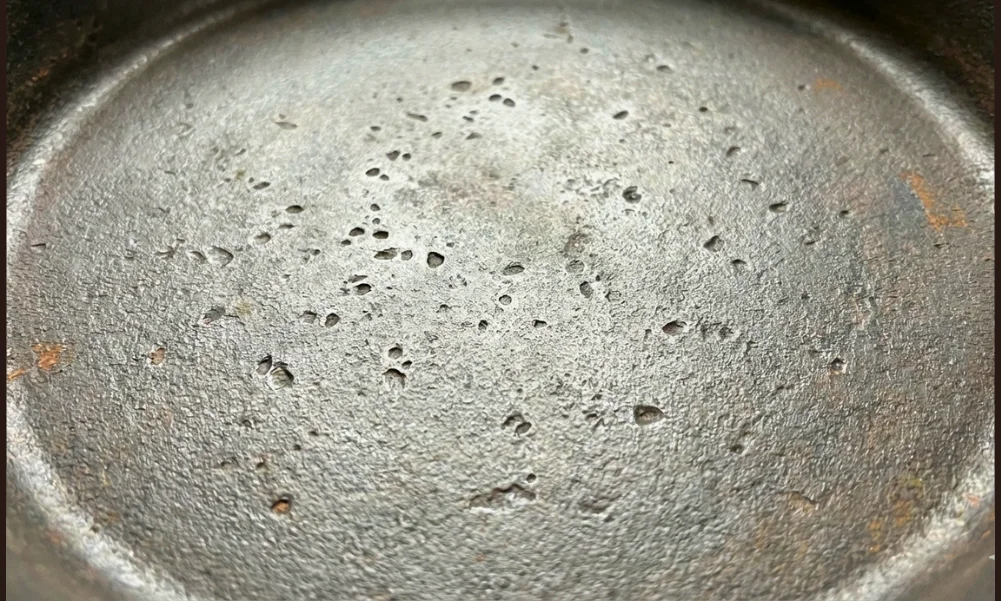
Over time, continued exposure allows rust to penetrate deeper into the material. This progression can lead to pitting, rough surfaces, or thinning at affected points.
Structural relevance emerges only when oxidation compromises thickness or integrity. Before that point, rust primarily influences usability and surface consistency.
The gradual nature of rust explains why cookware may remain functional long after rust first appears.
Material-Specific Safety Implications of Rust
Rust does not affect all cookware materials in the same way. Its relevance depends on how oxidation interacts with material thickness, surface protection, and structural role.
Cast Iron Cookware
Cast iron rust appears as surface oxidation once seasoning or protective layers degrade. This oxidation initially affects surface texture and cooking behavior rather than strength.
Because cast iron is thick, early rust rarely compromises structural integrity. Safety relevance increases only when rust progresses into deep pitting that alters stability or load bearing.
Material differences and surface behavior are compared further in carbon steel vs cast iron cookware.
Carbon Steel Cookware
Carbon steel develops rust more quickly due to thinner construction and lighter surface protection. Oxidation tends to concentrate along edges, rivet areas, or worn cooking zones.
Surface rust affects performance before safety. Structural concern emerges if thinning alters flatness or edge integrity.
Rust progression is typically gradual rather than sudden in carbon steel cookware.
Stainless Steel Cookware
True rust is uncommon in stainless steel cookware. Surface discoloration or staining is more typical than active corrosion.
When rust does appear, it often signals damage to protective oxide layers or underlying contamination. Safety relevance depends on whether corrosion affects bonded layers or structural joints.
Construction quality and layering behavior are discussed in stainless steel cookware sets.
Non-Stick Cookware
Rust in non-stick cookware usually appears where coatings are damaged. Exposed steel or aluminum edges oxidize once protective layers fail.
Rust presence often signals end-of-life from a performance standpoint. Safety relevance depends on whether corrosion affects base stability or coating separation.
Replacement context related to surface failure is outlined in when to replace non-stick cookware.
Enameled Cookware
Enameled cookware resists rust unless enamel is chipped or cracked. Rust forms only where bare metal becomes exposed.
Early rust affects predictability of the cooking surface. Safety relevance increases if enamel loss expands and structural edges weaken.
Surface protection behavior is discussed further in enameled cast iron cookware pros cons care.
Aluminum, Ceramic, and Glass Cookware
Rust does not apply to aluminum, ceramic, or glass cookware. These materials may discolor or stain but do not oxidize in the same manner.
Surface changes in these materials reflect wear or residue rather than corrosion. Relevant material distinctions are explained in is aluminum cookware safe for everyday use, ceramic cookware explained, and glass cookware heat safety.
Rust Compared With Other Surface Changes

Rust is often misinterpreted because it is visually distinct. Other surface changes may have greater functional impact despite appearing less severe.
Discoloration alters appearance without affecting structure. Scratches influence surface behavior but not thickness.
Rust occupies a middle ground. It reflects material change that can remain superficial or progress into structural relevance.
Understanding how rust compares with other surface conditions helps place its significance accurately. Related surface behaviors are discussed in cookware discoloration causes cleaning and repair scratched cookware.
Longevity vs Safety When Rust Is Present
Rust affects cookware longevity before it affects safety. Early oxidation alters surface behavior without compromising structural stability.
As rust progresses, material thickness may change unevenly. This uneven change can influence balance, heat response, or surface predictability.
Safety relevance emerges only when oxidation reduces structural integrity. Examples include weakened edges, unstable bases, or fragmentation risk.
Clear distinctions between aging and safety thresholds are discussed in how long should cookware last. Mechanical warning signs that indicate safety relevance appear in signs your cookware is no longer safe to use. Recognizing this progression supports calm evaluation rather than immediate replacement.
Related:
Common Misunderstandings About Rusty Cookware
Rust is often described as inherently unsafe. This framing overlooks how cookware materials are designed to tolerate surface change.
Another assumption is that any visible rust requires immediate disposal. In practice, surface appearance alone does not define safety relevance.
Rust is also frequently associated with contamination concerns. Safety assessment depends on structural behavior, not the presence of oxidation alone.
These misunderstandings arise from visual emphasis rather than functional evaluation.
Rust Within a Broader Cookware Safety Context
Rust represents one form of surface degradation among many. Its relevance depends on material type, depth, and location.
Other conditions may present greater safety relevance without obvious visual cues. Warping, handle loosening, or layer separation often matter more than surface oxidation.
Broader safety evaluation frameworks are discussed in cookware safety certifications explained. These frameworks emphasize predictable behavior rather than appearance.
Viewing rust within this context helps avoid disproportionate responses.
Closing Summary
Rust on cookware reflects surface oxidation, not immediate danger. Its impact depends on material, depth, and how oxidation affects structural predictability.
Longevity changes usually appear before safety concerns become relevant. Structural relevance emerges only when rust compromises stability or integrity.
Understanding rust as a gradual condition supports realistic assessment without overstating risk.