Quick Answer
Stainless steel cookware is rarely damaged by cleaning itself, but by repeated surface stress that alters finish and residue behavior over time. Most visible changes occur at the surface level and affect appearance or performance long before safety is involved. Understanding how stainless steel responds to cleaning stress helps explain why many changes are cosmetic rather than structural.
This article explains why stainless steel resists cleaning damage and how surface changes occur. For specific cleaning agents and when they help or harm, see our dedicated guide on Bar Keepers Friend for Cookware.
This guide focuses on cleaning behavior, not on why food sticks during cooking.
Durability and maintenance are key factors when choosing the best cookware for long-term use.
What “Damage” Means for Stainless Steel Cookware
Damage in stainless steel cookware is often misunderstood. Many changes labeled as damage relate to surface appearance rather than material failure.
Stainless steel is a solid metal alloy with high structural stability. Its strength does not depend on a fragile surface layer or coating.
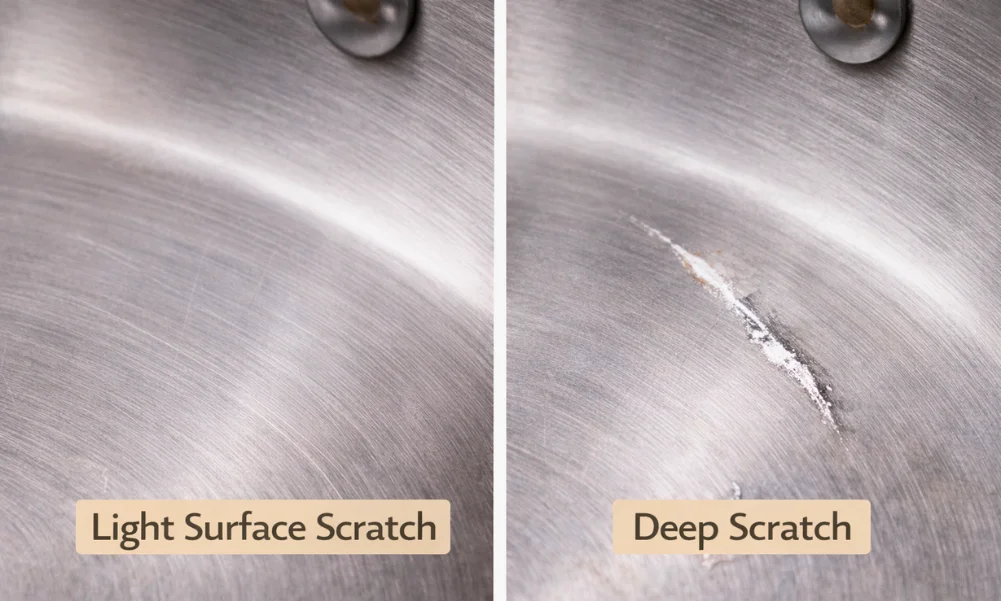
Scratches, haze, and discoloration change how the surface looks and behaves. They do not weaken the metal or reduce load-bearing integrity.
True damage involves deformation, cracking, or attachment failure. These conditions develop from mechanical stress rather than routine surface contact.
Confusing cosmetic change with damage leads to unnecessary concern. It also explains why stainless steel cookware often remains usable despite visible wear.
Surface appearance changes are often discussed alongside residue and heat effects in cookware discoloration causes cleaning, where visual change does not equal failure.
How Stainless Steel Responds to Cleaning Stress
Stainless steel responds to cleaning stress primarily through surface interaction. Abrasion and chemical contact affect finish before affecting the metal itself.
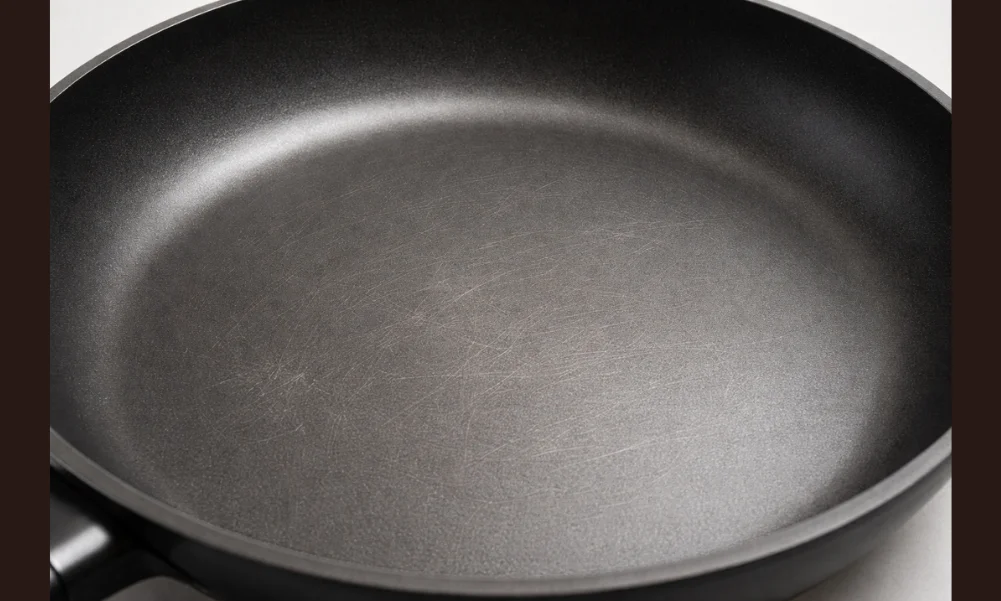
Micro-scratches form as the surface encounters repeated contact. These scratches alter texture and light reflection rather than strength.
Stainless steel also relies on a thin passive oxide layer for corrosion resistance. Cleaning stress can disrupt this layer temporarily without removing material.
The oxide layer reforms naturally under normal conditions. This self-restoring behavior explains stainless steel’s long-term durability.
As surface texture changes, food interaction may feel different. These changes influence sticking or residue before any safety relevance appears.
The Role of Surface Finish and Protective Oxide Layers
Stainless steel resists corrosion because its surface forms a passive oxide layer. This layer develops naturally and protects the metal beneath from reacting with air and moisture.
Surface finish influences how this layer behaves during use and cleaning. Smoother finishes reflect light evenly, while rougher finishes scatter it.
Cleaning stress can temporarily disrupt the oxide layer at the surface. This disruption affects appearance without removing meaningful material.
Because the oxide layer reforms on its own, stainless steel recovers chemical stability quickly. This self-renewing behavior explains why surface changes rarely compromise safety.
Finish changes may alter how residues cling or release. These performance shifts occur before any structural concern is relevant.
Understanding oxide behavior clarifies why stainless steel tolerates surface wear better than coated cookware.
Scratches, Residue, and Performance Changes
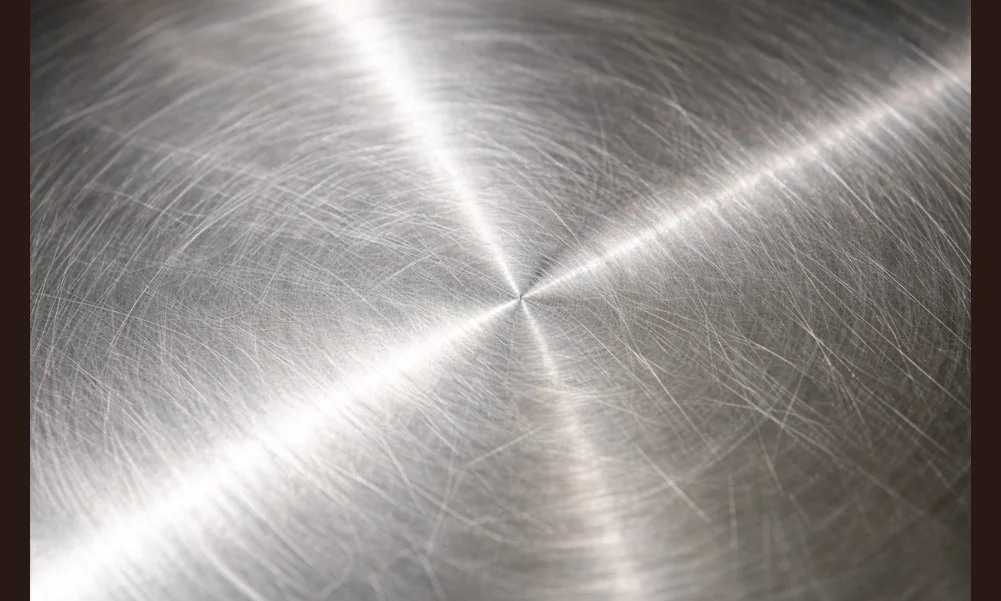
Scratches influence stainless steel cookware by changing surface texture. They create microscopic grooves that interact differently with oils, food, and moisture.
Residue tends to collect more easily in textured areas. This buildup can make the surface appear less clean even when it is structurally sound.
As residue accumulates, surface friction increases. This changes cooking behavior before it affects safety or durability.
Scratches themselves do not weaken stainless steel. They alter performance characteristics rather than material integrity. Surface changes are sometimes mistaken for damage that needs correction. In reality, they represent normal wear patterns in uncoated metal cookware.
Context on surface wear and realistic outcomes appears in repair scratched cookware, where appearance and function are evaluated separately.
For an explanation of why sticking happens during cooking, see How to Cook Eggs on Stainless Steel Without Sticking.
Longevity vs Safety in Stainless Steel Cookware
Stainless steel cookware shows visible wear long before safety is affected. Surface changes influence appearance and cooking behavior, not structural reliability. Routine cleaning does not make stainless steel cookware unsafe; safety concerns arise only from mechanical failure, not surface wear.
Scratches, discoloration, and haze do not reduce strength. They reflect surface interaction rather than metal fatigue or failure.
Safety relevance emerges only when mechanical integrity changes. Examples include warping, loose handles, or severe deformation.
Most cleaning-related concerns fall into the longevity category. They shape how the cookware performs, not whether it remains safe to use.
Clear mechanical indicators are outlined in signs your cookware is no longer safe to use. Expected lifespan patterns are discussed in how long should cookware last.
Understanding this separation helps frame cleaning outcomes realistically.
Stainless Steel Compared With Other Materials Under Cleaning Stress
Stainless steel tolerates cleaning stress better than coated cookware. Its performance does not depend on a fragile surface layer.
Nonstick cookware loses function as coatings thin under abrasion. Aluminum reacts differently because its surface lacks the same oxide stability.
Stainless steel ages visibly but remains structurally consistent. This durability explains its long-term role in everyday kitchens.
Material behavior differences are outlined in cookware types explained, where surface and structural roles are compared.
Common Misunderstandings About Cleaning Stainless Steel
Stainless steel is often expected to remain visually flawless. In practice, visible wear reflects normal use rather than misuse.
Another common belief is that scratches ruin cookware. Scratches change surface interaction, not safety or strength.
Shine is frequently mistaken for condition. Function depends on structural stability, not appearance.
These misunderstandings arise from treating stainless steel like a coated surface rather than solid metal.
When cleaning no longer restores predictable cooking behavior, cookware design and construction matter more than surface care.
Closing Summary
Cleaning stainless steel cookware rarely causes structural damage. Most changes appear at the surface level and affect appearance or cooking behavior first.
Stainless steel remains safe and durable despite visible wear. Understanding surface behavior helps set realistic expectations and reduce unnecessary concern.