T-Fal Cookware Sets Explained: Non-Stick Lifespan and Use Limits
Quick Answer T-Fal cookware sets rely on aluminum construction paired with PTFE-based non-stick coatings. Performance depends on coating condition more
Read ArticleQuick Answer T-Fal cookware sets rely on aluminum construction paired with PTFE-based non-stick coatings. Performance depends on coating condition more
Read ArticleQuick Answer Calphalon cookware is offered primarily in two construction types: hard-anodized aluminum and stainless steel. These materials behave differently
Read ArticleQuick Answer HexClad cookware sets use a hybrid construction that combines a stainless steel surface pattern with a nonstick coating
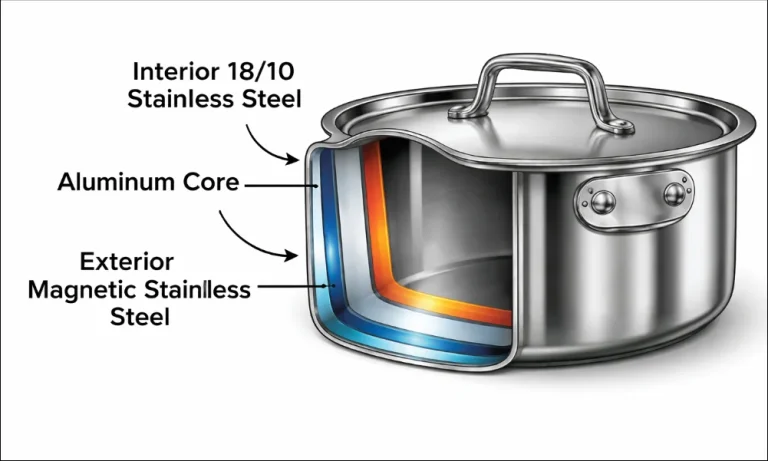
Read ArticleQuick Answer Cuisinart stainless steel cookware is defined by layered metal construction rather than surface coatings. Performance depends on core
Read ArticleQuick Answer GreenPan cookware is defined by a ceramic-based nonstick coating applied over a metal base, most commonly aluminum. Its
Read ArticleQuick Answer Staub cookware sets are defined by enameled cast iron construction with design features that influence moisture retention and
Read ArticleQuick Answer Staub and Le Creuset cookware are both built from enameled cast iron, but they differ in design choices
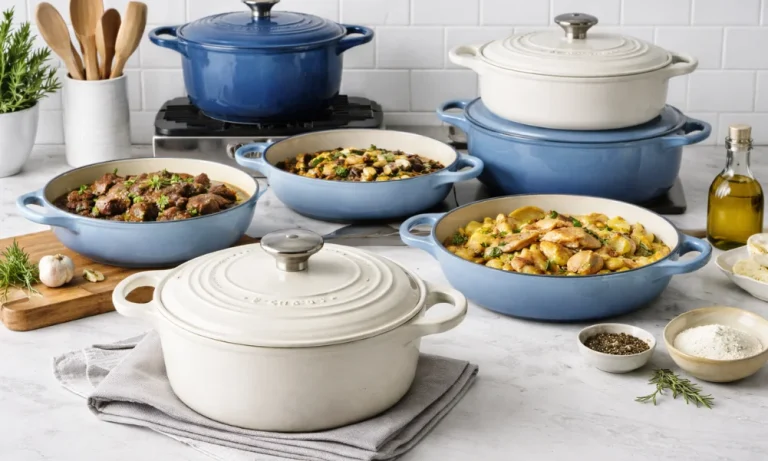
Read ArticleQuick Answer Le Creuset cookware is defined by enameled cast iron construction rather than coatings or layered metals. Its performance
Read ArticleQuick Answer All-Clad cookware sets are defined by fully bonded multi-layer metal construction rather than coatings or surface treatments. Their
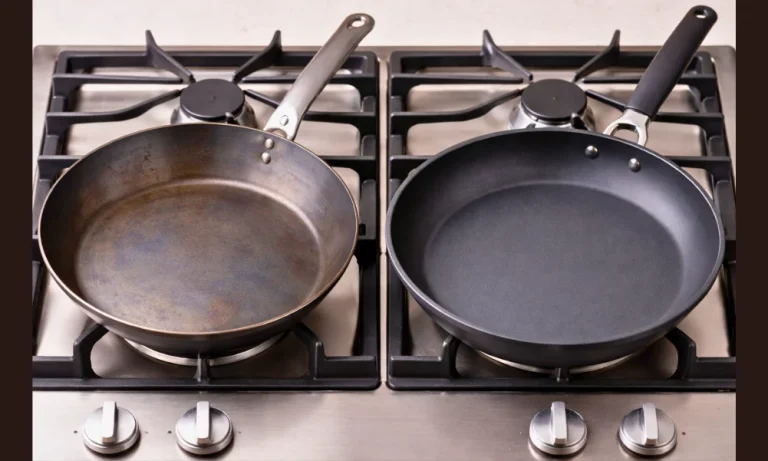
Read ArticleQuick Answer Carbon steel and non-stick cookware differ in surface design, heat tolerance, and how performance changes with use. Carbon
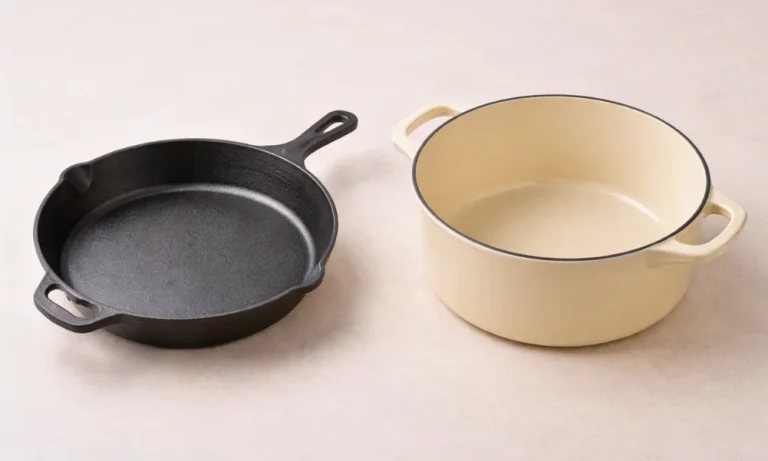
Read ArticleQuick Answer Cast iron and enameled cast iron share the same underlying metal but differ in cooking interface behavior, maintenance
Read ArticleQuick Answer Ceramic and granite cookware are both forms of coated cookware, but they differ in coating chemistry, wear behavior,
Read Article