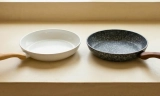
Quick Answer Ceramic and granite cookware are both forms of coated cookware, but they differ in coating chemistry, wear behavior, and lifespan patterns. ...
 KitchenMarks Editorial
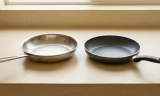
Quick Answer Stainless steel and non-stick cookware differ in cooking interface behavior, heat tolerance, and long-term wear rather than basic cooking ...
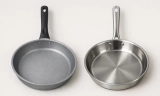
Quick Answer Aluminum and stainless steel cookware differ in how they conduct heat, respond to stress, and age over time. Aluminum tends toward rapid heat ...
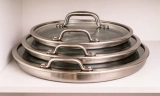
Quick Answer Cookware lid storage affects more than space usage. Poor storage increases rim stress, surface wear, and impact damage over time. Practical ...
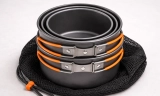
Quick Answer Camp cookware sets face different stresses than indoor cookware because outdoor cooking environments are less controlled. Performance depends ...
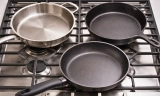
Quick Answer Frying places concentrated stress on cookware because it involves direct surface contact, rapid heat transfer, and repeated thermal cycling. ...
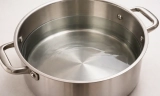
Quick Answer Pasta cookware works best when pot size and shape allow stable boiling and consistent water movement. Performance depends more on vessel ...
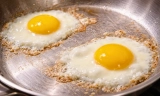
Quick Answer Eggs stick to stainless steel because their proteins bond strongly to bare metal during early heat exposure. This bonding is temporary and ...
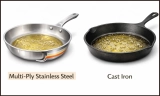
Quick Answer The best oil depends on the cookware material, the heat level, and the cooking goal. Oil choice affects how food releases, how residue builds ...
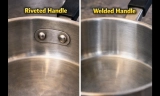
Quick Answer Riveted and welded cookware handles can both be durable when properly designed. Riveted handles rely on mechanical fasteners that distribute ...
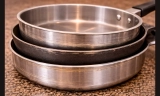
Quick Answer Cookware storage affects how quickly pots and pans wear out. Poor storage causes gradual damage through abrasion, weight stress, and trapped ...
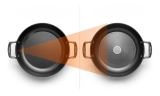
Quick Answer Cookware thickness refers to how much material separates the heat source from the food. Thickness affects how quickly a pan heats up, how ...


