Quick Answer
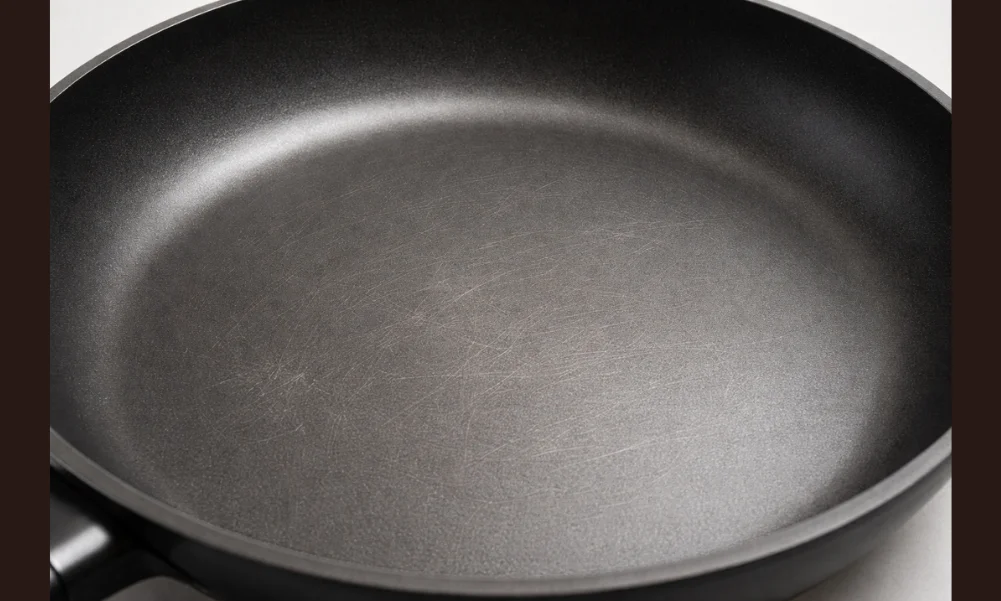
Seasoning cast iron works best when it forms a thin, stable layer that bonds evenly to the iron surface. The durability of that layer depends on heat interaction, surface condition, and consistency over time rather than any single technique. Seasoning changes gradually and affects performance long before it has any relevance to safety.
What Seasoning Actually Does for Cast Iron
Seasoning is a bonded surface layer created when fats polymerize onto bare iron. This layer acts as a barrier between the metal and moisture, slowing oxidation.
Beyond protection, seasoning influences how the surface behaves during cooking. A stable layer improves predictability by reducing direct contact between food and iron.
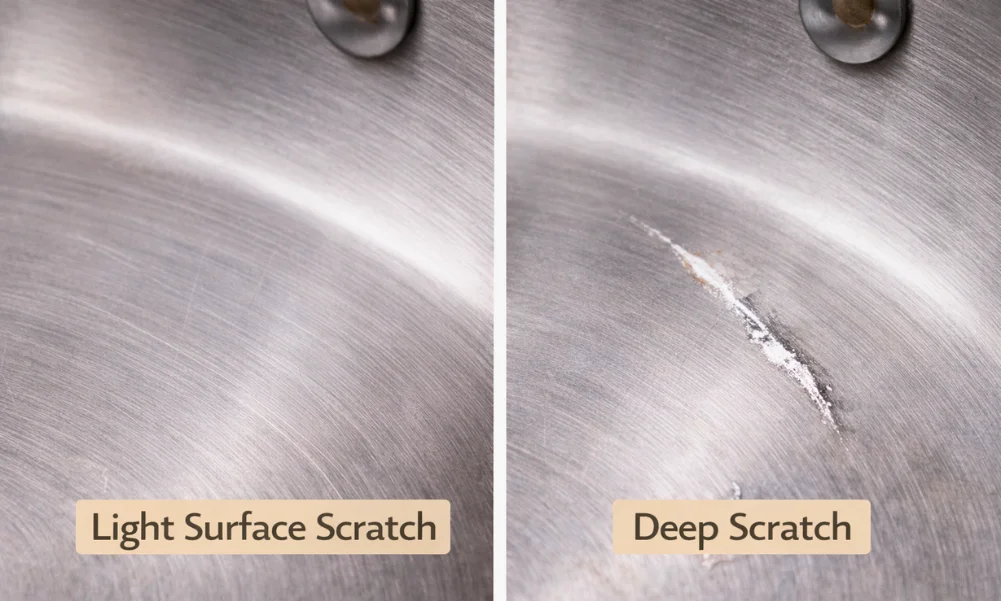
Seasoning is not a permanent coating. It wears, thins, and reforms as the cookware is used and exposed to heat cycles.
Because it is a surface layer, seasoning affects performance before it affects structure. Loss or unevenness changes food interaction without weakening the pan itself.
This distinction explains why cast iron can remain structurally sound even when seasoning looks imperfect.
Why “Best Way” Is a Misleading Question
There is no single best method that produces identical seasoning results for every pan. Seasoning outcomes vary because cast iron surfaces are not identical.
Casting texture, prior wear, and existing oxidation influence how seasoning bonds. Two pans treated similarly can develop different surface behavior over time.
Seasoning also responds to cumulative exposure rather than isolated events. Consistency matters more than intensity when evaluating long-term stability.
Asking for a single best way implies a fixed outcome. In reality, seasoning quality reflects interaction between surface condition and repeated use.
Understanding this helps shift focus from technique to predictability and longevity.
How Seasoning Develops Over Time
Seasoning develops through repeated exposure to heat, fats, and cooling cycles. Each exposure adds a small amount of bonded material to the surface rather than creating a complete layer at once.
Thin layers stabilize more predictably than thick buildup. They bond closer to the iron surface and resist separation during expansion and contraction.
Seasoning quality reflects accumulation rather than effort. Gradual development produces a surface that responds consistently to normal use.
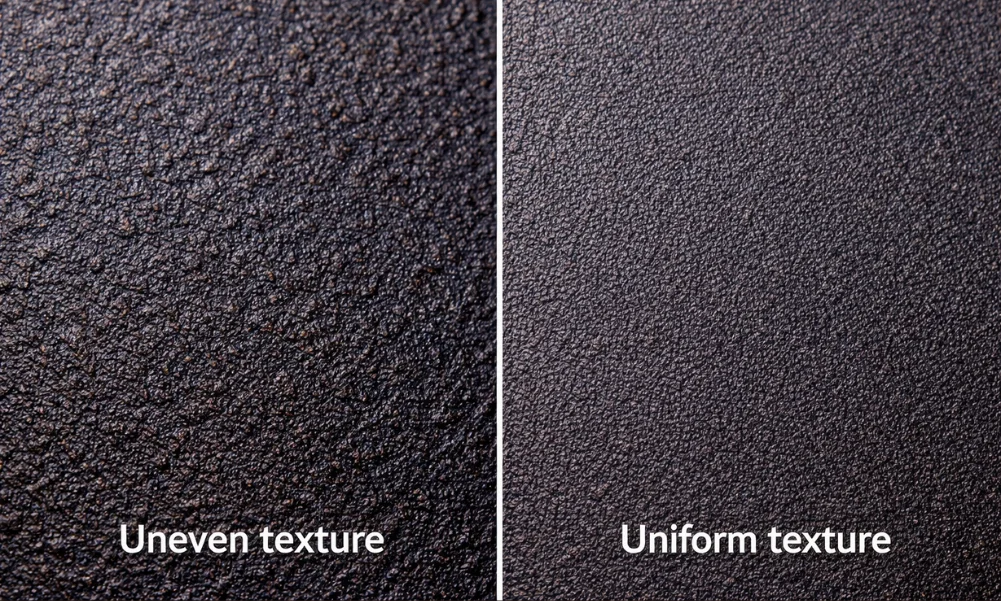
Changes in seasoning often appear uneven at first. This unevenness reflects variations in surface texture rather than failure.
Over time, repeated cycles smooth these differences. The surface becomes more uniform as bonded layers align with the underlying iron.
Because seasoning forms incrementally, its stability improves through continuity rather than intensity.
Factors That Influence Seasoning Stability
Seasoning stability depends on several interacting factors rather than any single variable. These factors determine how well the bonded layer resists wear and moisture exposure.
Surface Condition
Cast iron surfaces vary in texture depending on casting and prior use. Rougher surfaces provide more bonding sites but also create uneven early seasoning patterns.
Existing oxidation or surface wear affects how evenly seasoning adheres. Stable bonding occurs more readily on clean, exposed iron than on flaking or pitted areas.
Heat Interaction
Seasoning responds to how heat is introduced and removed over time. Abrupt temperature changes place stress on bonded layers before they fully stabilize.
Gradual exposure supports more uniform polymerization across the surface. This helps explain why seasoning improves with repeated normal use.
Moisture Exposure
Moisture challenges seasoning by interrupting the protective barrier it provides. Extended contact allows oxidation to compete with bonded layers.
Long moisture exposure creates more opportunity for oxidation at the surface. This interaction explains why seasoning wear often appears near edges or seams first.
Seasoning, Safety, and Performance Are Not the Same Thing
Seasoning influences how cast iron performs, not whether it is structurally safe. A pan with uneven or thinning seasoning can remain mechanically sound.
Loss of seasoning affects food interaction and moisture resistance first. It does not weaken the iron body or compromise load-bearing stability.
Safety relevance appears only when structural changes occur. Cracks, severe thinning, or deformation matter more than surface condition.
This separation between surface behavior and structural integrity helps avoid unnecessary concern. It also explains why cast iron often remains usable despite cosmetic changes.
Broader safety indicators are outlined in signs your cookware is no longer safe to use, where structure matters more than surface finish.
Common Misunderstandings About Cast Iron Seasoning
Seasoning is often mistaken for a permanent coating. In reality, it behaves as a renewable surface layer that changes with use.
Another misunderstanding is that uneven seasoning signals failure. Unevenness is common during early development and reflects surface texture differences.
Seasoning loss is also sometimes viewed as damage. In practice, it represents normal surface wear rather than material degradation.
These misunderstandings come from treating seasoning as a fixed achievement rather than an evolving condition.
How Seasoning Fits Into Cast Iron Longevity
Seasoning contributes to cast iron longevity by protecting the surface from oxidation. It does not determine the lifespan of the iron itself.
Cast iron tolerates changes in seasoning without losing structural reliability. This tolerance distinguishes it from thinner or coated cookware materials.
Long-term durability depends more on avoiding structural stress than maintaining perfect seasoning. This distinction helps explain why cast iron cookware often lasts for generations.
Material behavior differences between iron-based cookware are explored further in carbon steel vs cast iron cookware.
Closing Summary
The best way to season cast iron cookware is not a single method or technique. It is the gradual formation of a stable, bonded surface layer that develops through consistent interaction over time.