Quick Answer
Over-cleaning cookware refers to repeated or aggressive surface abrasion beyond what materials are designed to tolerate. This stress usually affects surface condition and cooking performance before creating safety concerns. Material type and surface protection determine how quickly over-cleaning becomes structurally relevant.
What “Over-Cleaning” Means in a Cookware Context
Over-cleaning does not describe cleanliness level. It describes cumulative surface stress created by repeated or forceful cleaning actions.
Cookware surfaces are engineered to tolerate normal residue removal. They are not designed for frequent abrasion that removes protective layers or surface finishes.
Over-cleaning develops gradually rather than through isolated events. Each cleaning cycle removes a small amount of material or surface protection.
This gradual loss explains why cookware may appear intact while performance changes over time. Clean appearance does not necessarily reflect preserved surface integrity.
Understanding over-cleaning as wear accumulation helps separate hygiene from material preservation.
How Cleaning Stress Affects Cookware Surfaces
Cleaning stress affects cookware through mechanical abrasion and surface disruption. These forces act directly on coatings, oxide layers, enamel, or seasoning.
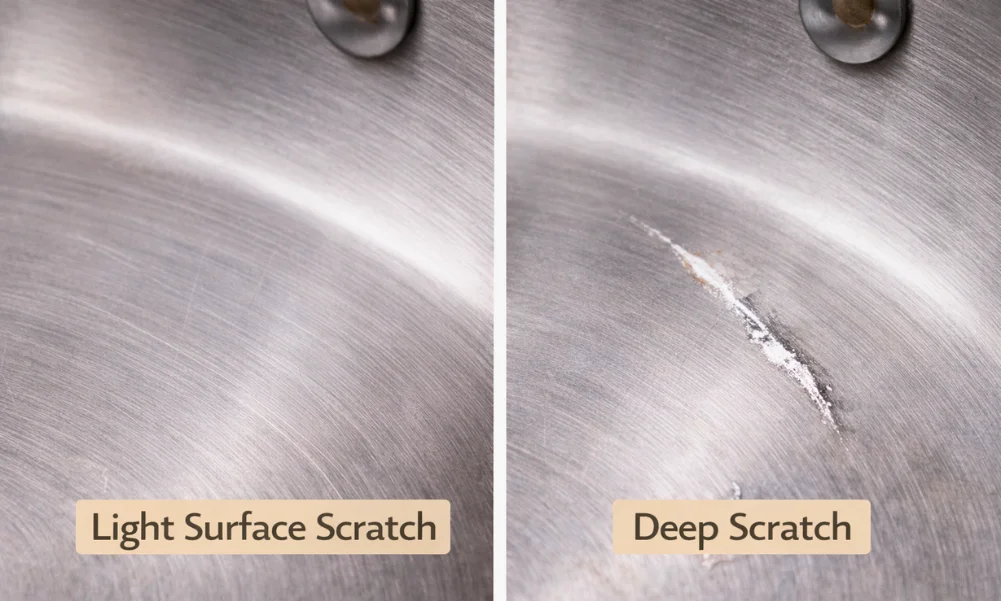
Early effects often remain microscopic. Protective layers thin before visible scratches or dulling appear.
As surface protection erodes, base materials become more exposed. This exposure alters heat response, food release, or surface predictability.
Structural relevance emerges only after prolonged material loss. Before that point, over-cleaning primarily influences usability and longevity.
The cumulative nature of cleaning stress explains why damage appears gradually rather than immediately.
Material-Specific Response to Over-Cleaning
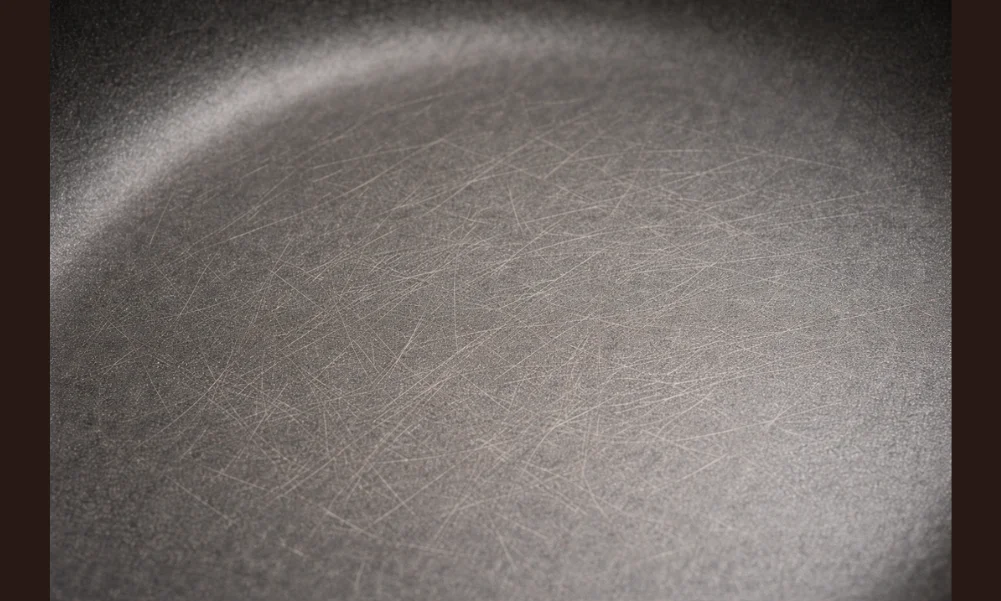
Over-cleaning affects cookware materials differently based on surface protection and thickness. Its impact depends on what protective layers are removed first.
Stainless Steel Cookware
Stainless steel relies on a thin oxide layer for surface stability. Repeated abrasive cleaning disrupts this layer before affecting the base metal.
Surface dulling or uneven finish often appears first. Structural integrity remains unchanged unless material thickness is reduced.
Construction quality and surface behavior are discussed further in stainless steel cookware sets.
Non-Stick Cookware
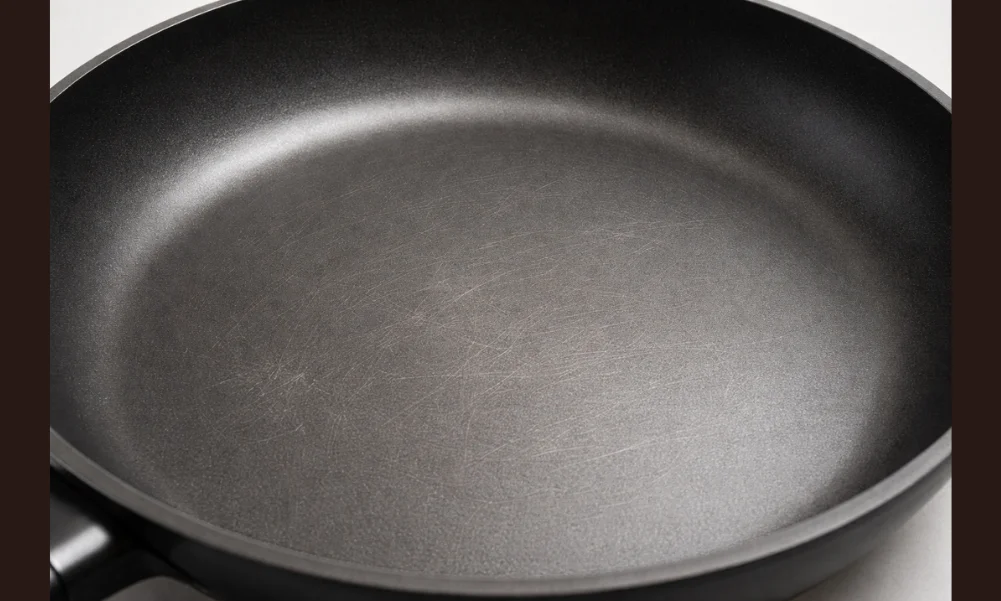
Non-stick cookware is sensitive to surface abrasion. Over-cleaning removes coating material gradually rather than causing sudden failure.
Performance decline often appears as reduced food release or uneven heating. Safety relevance emerges only if coating loss exposes unstable base material.
Surface condition and end-of-life indicators are discussed in when to replace non-stick cookware.
Cast Iron and Carbon Steel Cookware
Cast iron and carbon steel depend on seasoning for surface protection. Aggressive or repeated cleaning erodes this layer before affecting the base metal.
Loss of seasoning alters surface behavior rather than strength. Structural relevance appears only after prolonged exposure removes material thickness.
Material behavior differences are explored in carbon steel vs cast iron cookware.
Aluminum Cookware
Aluminum is softer than steel-based materials. Repeated abrasion can remove surface material more quickly.
Anodized aluminum resists this wear through hardened surface layers. Bare aluminum shows surface change sooner without immediate structural concern.
Material distinctions are explained further in is aluminum cookware safe for everyday use.
Enameled Cookware
Enameled cookware relies on a glass-like surface layer. Repeated abrasive cleaning dulls enamel before causing chips or cracks.
Surface wear affects appearance and predictability. Safety relevance emerges only if enamel loss exposes and weakens underlying metal.
Surface durability and behavior are discussed in enameled cast iron cookware pros cons care.
Glass and Ceramic Cookware
Glass and ceramic cookware resist chemical wear but remain sensitive to abrasion. Surface scratches alter appearance without affecting chemical stability.
Mechanical integrity becomes relevant only if cracks develop. Thermal and structural behavior are discussed further in glass cookware heat safety and ceramic cookware explained.
Over-Cleaning Compared With Other Wear Sources
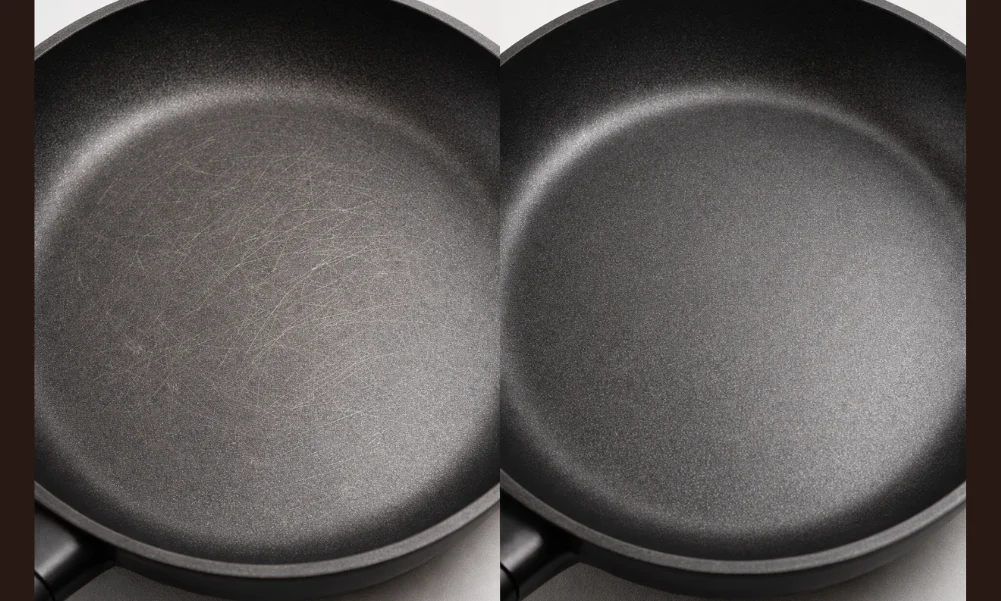
Over-cleaning represents one source of surface wear among many. Its effects compound with heat stress, corrosion, and mechanical impact.
Heat stress alters material structure gradually. Corrosion removes material through chemical interaction.
Cleaning abrasion removes protective layers mechanically. Each process affects cookware differently and often overlaps.
Comparative wear patterns are discussed in salt damage in cookware, is rusty cookware safe, and cookware storage ideas protect pots pans. Understanding overlapping wear sources clarifies why damage rarely has a single cause.
Longevity vs Safety Under Over-Cleaning Stress
Over-cleaning affects cookware longevity before it affects safety. Early surface wear changes how cookware behaves without compromising structural stability.
As protective layers thin, surfaces become less predictable. Heat response, food release, or surface uniformity may change gradually.
Safety relevance emerges only after prolonged material loss. This stage involves thinning, cracking, or separation that affects stability or containment.
Expected lifespan patterns are discussed in how long should cookware last. Mechanical indicators that signal safety relevance appear in signs your cookware is no longer safe to use.
Recognizing this progression supports measured evaluation rather than immediate concern.
Common Misunderstandings About Over-Cleaning
Over-cleaning is often equated with hygiene rather than wear. This framing overlooks how materials respond to repeated abrasion.
Another assumption is that damage only results from heat or impact. In reality, surface wear accumulates through multiple stress sources.
Scratches are also frequently dismissed as cosmetic. In some materials, scratches signal loss of surface protection rather than appearance change alone.
These misunderstandings arise from focusing on cleanliness rather than material behavior.
Over-Cleaning Within a Broader Cookware Safety Context
Over-cleaning represents one factor within a broader pattern of cookware stress. Its relevance depends on interaction with heat exposure, corrosion, and storage conditions.
Other wear sources may present greater safety relevance without obvious surface change. Warping, handle loosening, or layer separation often matter more than visible abrasion.
Broader evaluation frameworks are discussed in cookware safety certifications explained. These frameworks emphasize predictable behavior over isolated surface conditions.
Viewing over-cleaning within this context supports balanced assessment.
Closing Summary
Over-cleaning damages cookware through cumulative surface abrasion rather than sudden failure. Its impact appears first as surface performance change rather than immediate safety risk.
Material design determines tolerance for repeated cleaning stress. Safety relevance emerges only after prolonged material loss affects stability or integrity.
Understanding over-cleaning as gradual wear supports realistic expectations without overstating risk.