January 08, 2026
Can You Damage Cookware by Over-Cleaning It
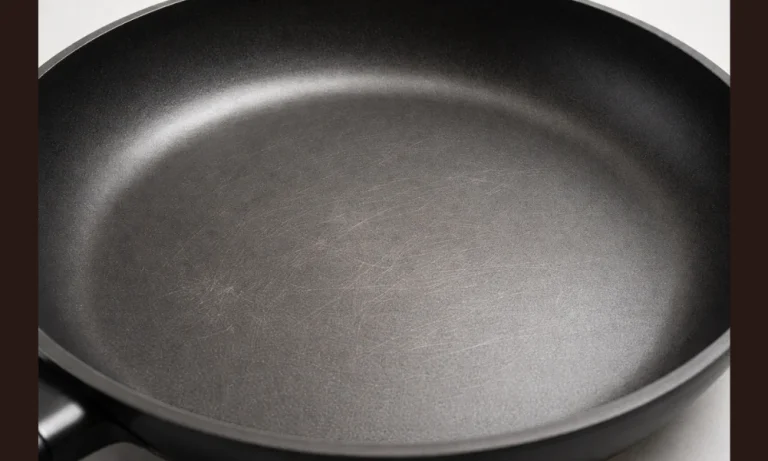
Quick Answer Over-cleaning cookware refers to repeated or aggressive surface abrasion beyond what materials are designed to tolerate. This stress
Read ArticleQuick Answer Over-cleaning cookware refers to repeated or aggressive surface abrasion beyond what materials are designed to tolerate. This stress
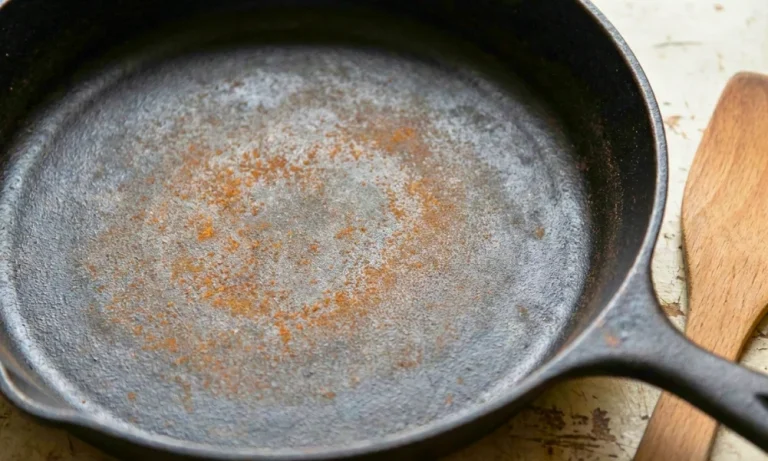
Read ArticleQuick Answer Rust on cookware indicates surface oxidation rather than immediate danger. Safety depends on cookware material, rust depth, and
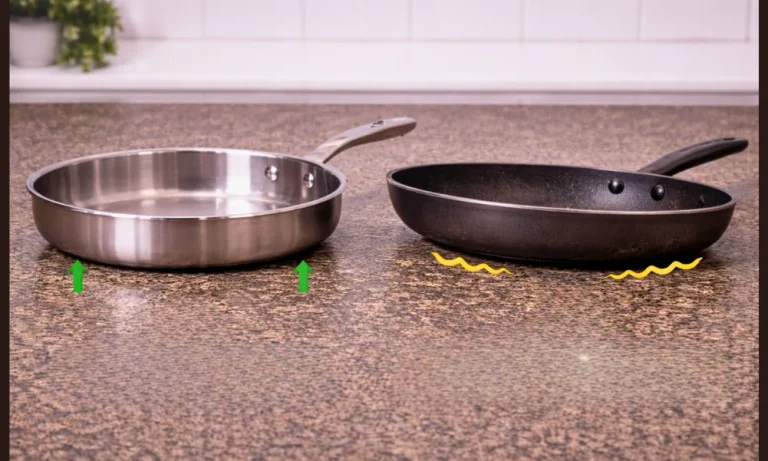
Read ArticleQuick Answer Cookware safety in homes with children relates to stability, heat retention, and attachment strength rather than material danger.
Read ArticleQuick Answer Acidic foods interact with cookware surfaces differently depending on material stability and protective layers. These interactions usually affect
Read ArticleQuick Answer Heating empty cookware concentrates thermal stress because heat has no food or liquid to absorb energy. This concentrated
Read ArticleQuick Answer Maximum safe heat depends on how cookware materials respond to thermal stress over time. Most cookware handles typical
Read ArticleQuick Answer Cookware is no longer safe to use when it becomes unstable, structurally compromised, or unpredictable under heat. Safety
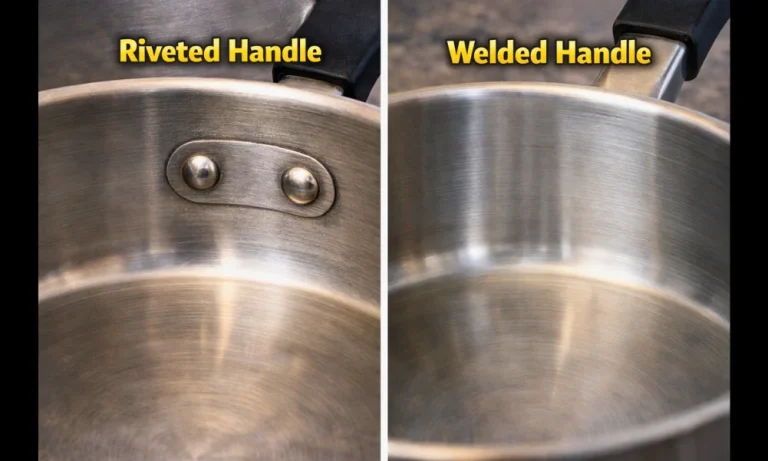
Read ArticleQuick Answer Riveted and welded cookware handles can both be durable when properly designed. Riveted handles rely on mechanical fasteners
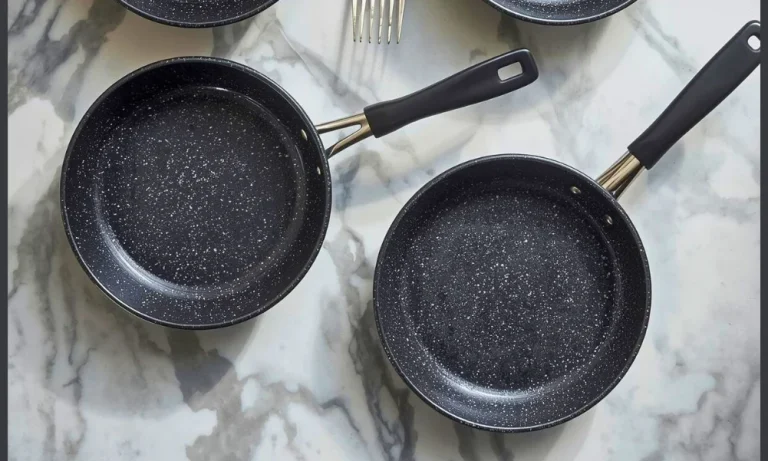
Read ArticleGranite cookware is not made from granite stone. Despite the name, granite cookware does not contain granite stone and does
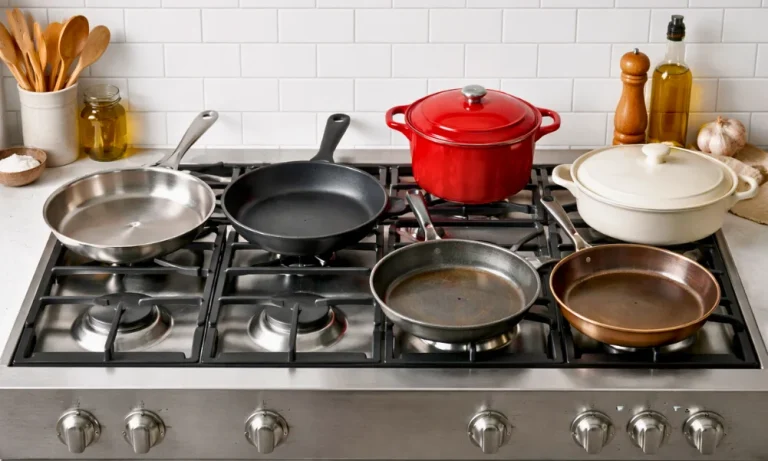
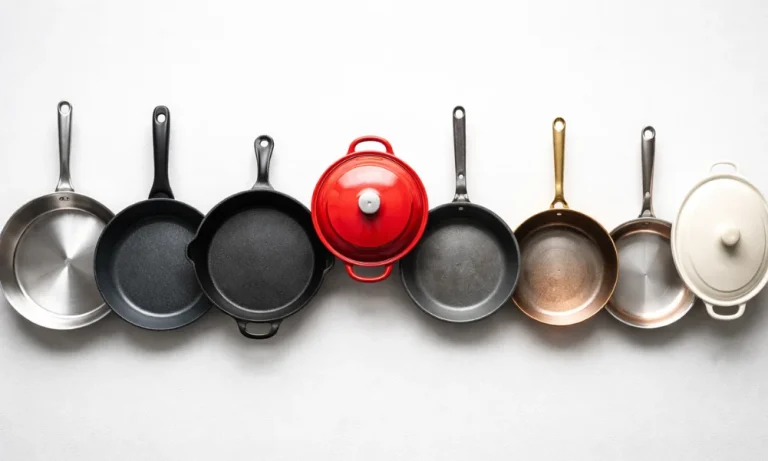
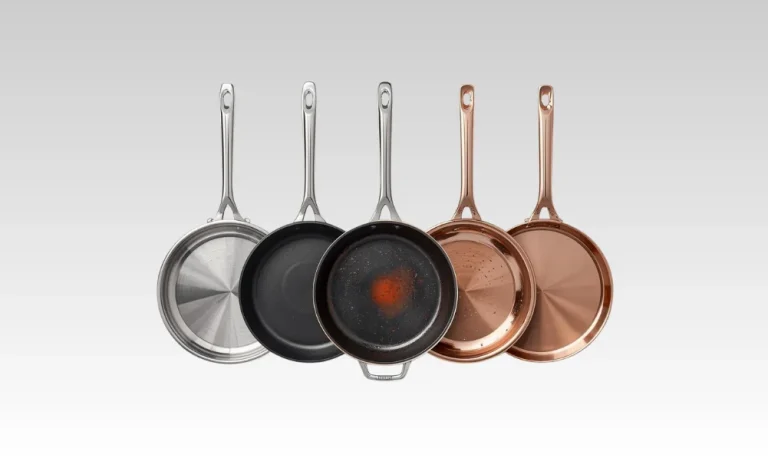
Read ArticleCookware types describe the materials and construction used to make pots and pans. These choices determine how heat moves, how
Read Article