Featured March 10, 2026
Quick Answer PFAS-free cookware regulations expanded significantly in 2025–2026, changing how non-stick cookware is manufactured, labeled, and sold. Several U.S.
Read story
Quick Answer PFAS-free cookware regulations expanded significantly in 2025–2026, changing how non-stick cookware is manufactured, labeled, and sold. Several U.S.
Read storyQuick Answer The safest non-toxic cookware options are made from materials that remain chemically and structurally stable during everyday cooking.
Read ArticleQuick Answer Waterless cookware refers to cookware designed to cook foods using their natural moisture rather than added liquid. It
Read ArticleTitanium non-stick cookware is not made from solid titanium. In most cases, it is standard non-stick cookware with a PTFE-based
Read ArticleQuick Answer Copper cookware is valued for its exceptional heat responsiveness, allowing precise control over cooking temperatures. Because copper reacts
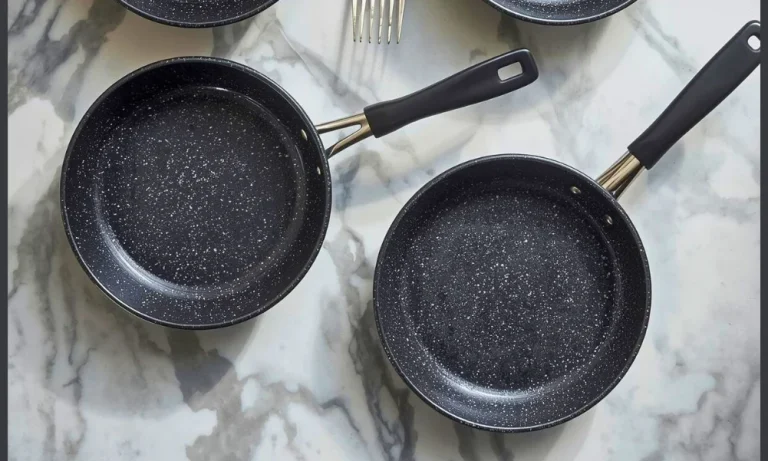
Read ArticleGranite cookware is not made from granite stone. Despite the name, granite cookware does not contain granite stone and does
Read ArticleCeramic cookware is often promoted as a safer or more natural alternative to traditional non-stick cookware. Many buyers are drawn
Read ArticleStainless steel cookware is often considered the safest and most versatile option for home kitchens. It is non-reactive, durable, and
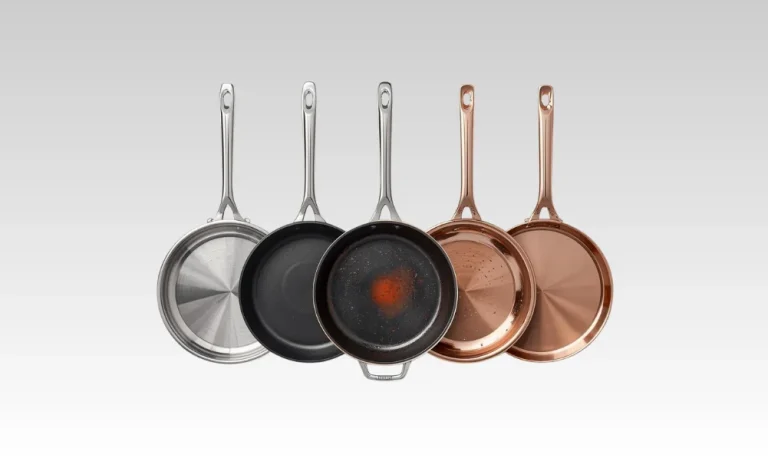
Read ArticleCookware types describe the materials and construction used to make pots and pans. These choices determine how heat moves, how
Read Article