Quick Answer
A cookware set and individually selected pieces serve different ownership patterns rather than different quality levels. Sets emphasize uniformity, compatibility, and coverage, while individual pieces emphasize specificity and selective use.
Neither approach is inherently better; suitability depends on how cookware is used, replaced, and stressed over time.
What a “Cookware Set” Represents in Practical Terms
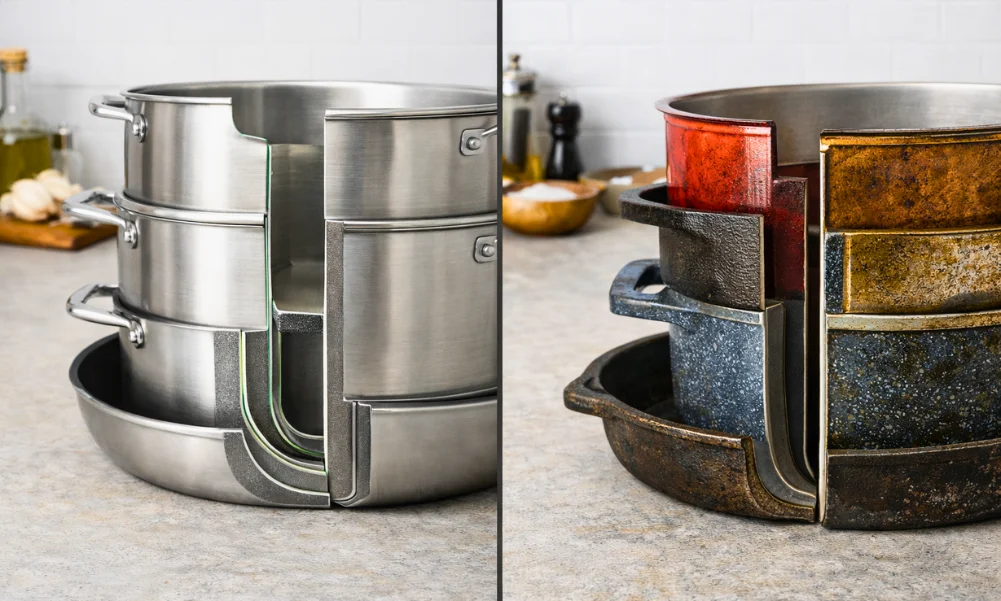
A cookware set is a bundled system rather than a performance upgrade. It groups multiple pieces designed to share materials, construction methods, and visual consistency.
Sets prioritize coverage across common cooking tasks. They aim to provide functional completeness from the start.
This completeness comes with constraints. All pieces share similar design assumptions, thickness, and durability limits.
As a result, cookware sets behave as a unified group. Wear patterns and limitations tend to appear across multiple pieces simultaneously.
This behavior differs from individually selected cookware. Individual pieces reflect isolated design choices rather than system-level compromises.
Understanding this distinction helps buyers evaluate sets as ownership models rather than quality signals.
What Buying Pieces Individually Changes
Buying cookware individually shifts emphasis from coverage to specificity. Each piece is chosen for a particular role rather than inclusion balance.
This approach concentrates wear unevenly. Frequently used pieces age faster, while others remain lightly stressed.
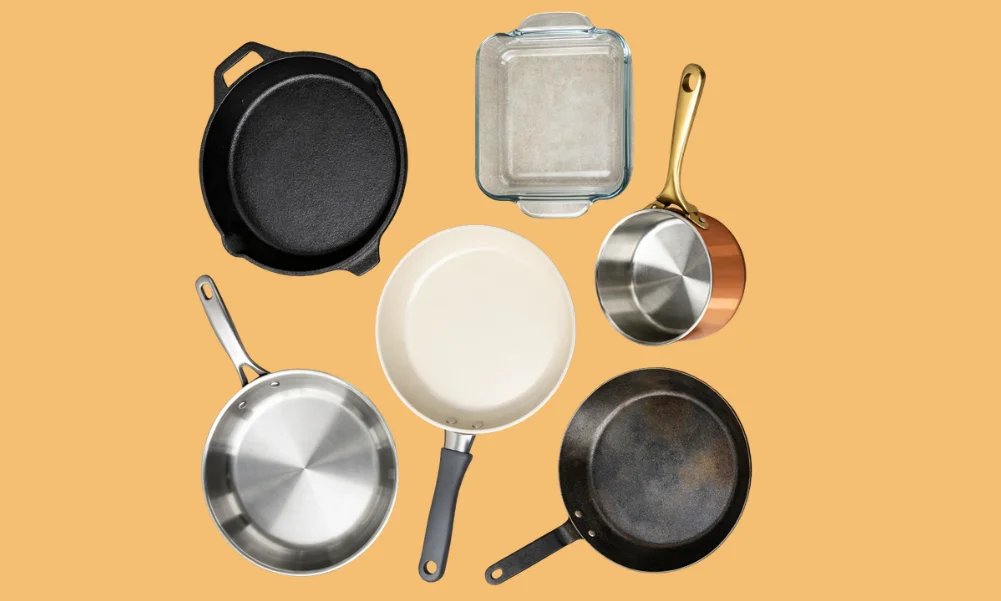
Individual selection also introduces variation. Materials, thickness, and construction may differ across the kitchen.
This variation can improve task alignment. It can also complicate storage, stacking, and long-term replacement patterns.
Longevity becomes piece-dependent rather than system-dependent. Replacement decisions occur incrementally instead of all at once.
These differences explain why neither approach dominates across all kitchens. They reflect different ownership behaviors rather than right or wrong choices.
Longevity and Replacement Patterns

Cookware sets and individual pieces age differently over time. The difference lies in how stress distributes across the cookware collection.
In cookware sets, materials and construction are usually consistent. Heat exposure, handling stress, and cleaning routines apply evenly across pieces.
This consistency leads to synchronized aging. Multiple items may reach performance decline around the same period.
With individually selected cookware, stress concentrates unevenly. Frequently used pieces show wear earlier than others.
This staggered wear delays full replacement. It also increases variability in cookware condition across the kitchen.
Longevity expectations depend more on usage distribution than purchase method. This pattern aligns with broader lifespan behavior explained in how long should cookware last.
Safety Boundaries in Sets Versus Individual Pieces
Safety differences between cookware sets and individual pieces are structural, not categorical. Neither approach introduces unique safety risks by itself.
In cookware sets, shared construction means shared failure modes. If a design weakness exists, it can appear across multiple items.
With individually selected cookware, weaknesses are isolated. A single compromised piece does not imply system-wide concern.
Safety becomes relevant when stability changes. Warped bases, loose handles, or uneven contact define risk boundaries.
These warning signs apply equally to sets and individual pieces. Clear mechanical indicators are outlined in signs your cookware is no longer safe to use.
Ownership structure influences how many pieces are affected at once. It does not change what makes cookware safe or unsafe.
How Use Patterns Shape Outcomes
Cookware sets assume relatively balanced use across included pieces. This assumption rarely matches real kitchen behavior.
Certain pans receive frequent use. Others remain idle for long periods.
In a set, uneven use accelerates wear on select items. Less-used pieces remain structurally intact but underutilized.
With individual pieces, uneven use is expected. Ownership reflects actual cooking habits rather than predefined balance.
This difference affects how collections evolve over time. Sets age as systems, while individual pieces age as components.
Neither pattern is inherently superior. They reflect different ways kitchens develop through daily use.
Storage, Space, and Handling Considerations
Cookware sets often include standardized sizes and shapes. This consistency simplifies stacking and storage alignment.
Uniformity reduces contact stress during storage. Pieces nest more predictably and distribute load evenly.
Individually selected cookware introduces variability. Different shapes and heights increase contact points during storage.
This variability increases handling stress. It also complicates lid matching and stacking stability.
Storage-related wear patterns influence long-term condition. These effects are gradual and often overlooked.
Handling and storage stress contribute to longevity outcomes. They interact with usage frequency rather than replacing it.
These effects connect closely with cookware storage decisions discussed in cookware storage ideas that protect pots and pans.
Uneven usage patterns are common in everyday kitchens, as outlined in everyday cookware: what home cooks actually need.
Common Misunderstandings About Sets Versus Individual Pieces
Cookware sets are often perceived as higher quality by default. In practice, quality depends on material and construction, not grouping.
Individual pieces are sometimes viewed as more advanced. They simply reflect selective ownership rather than inherent superiority.
Cost differences do not guarantee durability differences. Price reflects packaging, coverage, and presentation as much as materials.
These assumptions obscure the real tradeoffs. Ownership structure shapes wear, replacement timing, and consistency.
Understanding these distinctions reduces expectation mismatch. It reframes cookware choices as system design rather than value judgment.
So, Which Is Better for Most Home Cooks?
For most home cooks, neither cookware sets nor individual pieces are inherently better. Sets favor convenience and uniformity, while individual pieces favor flexibility and staged replacement.
Which Option Fits Different Kitchens
- Cookware sets suit kitchens prioritizing uniform storage, predictable replacement, and balanced use.
- Individual pieces suit kitchens with specialized cooking habits and uneven pan usage.
- Mixed approaches are common and evolve naturally over time.
Closing Summary
Cookware sets and individually selected pieces represent different replacement structures. Sets emphasize uniformity, coverage, and synchronized aging.
Individual pieces emphasize specificity, staggered wear, and incremental replacement. Neither approach alters what makes cookware durable or safe.
Performance, longevity, and safety remain governed by material behavior and construction. Understanding these patterns helps buyers evaluate cookware structure without overgeneralizing outcomes.