Quick Answer
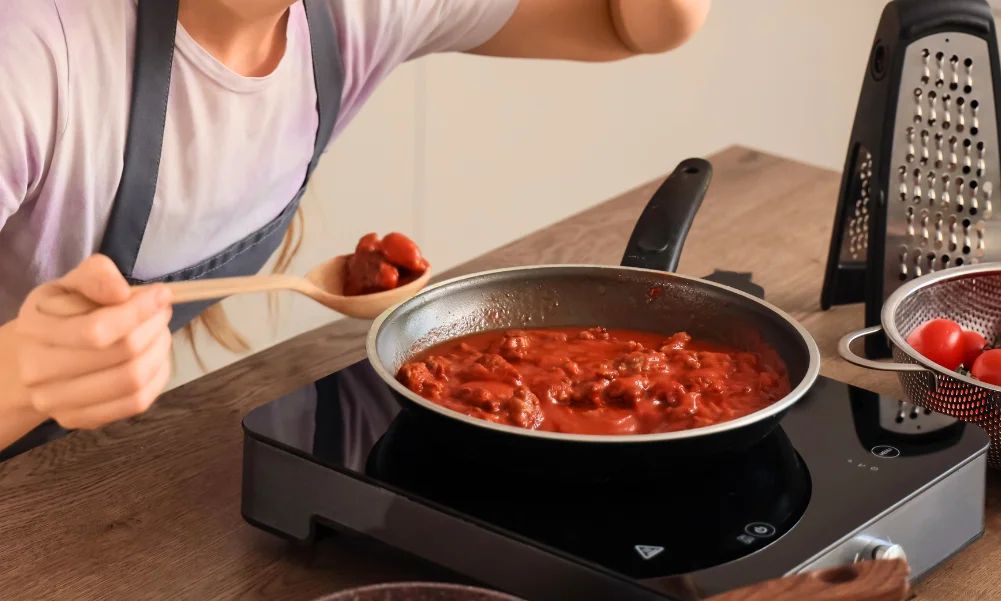
The safest non-stick cookware for home cooking is cookware that maintains predictable surface behavior under normal heat and routine use. Safety depends on coating stability, construction quality, and condition over time rather than marketing labels or brand claims. Non-stick cookware remains safe when heat exposure is controlled and surfaces remain intact, with replacement guided by functional decline rather than fear of hidden contamination.
This article focuses exclusively on non-stick cookware surfaces and coating behavior. For a broader comparison of cookware materials and long-term exposure considerations, see Best Non-Toxic Cookware Options (Materials-Based Guide).
How Non-Stick Cookware Safety Actually Works
Non-stick cookware safety is governed by how the cooking surface behaves as it heats, cools, and wears over repeated use. Unlike bare metal cookware, non-stick performance depends on a thin surface layer rather than the base material alone.
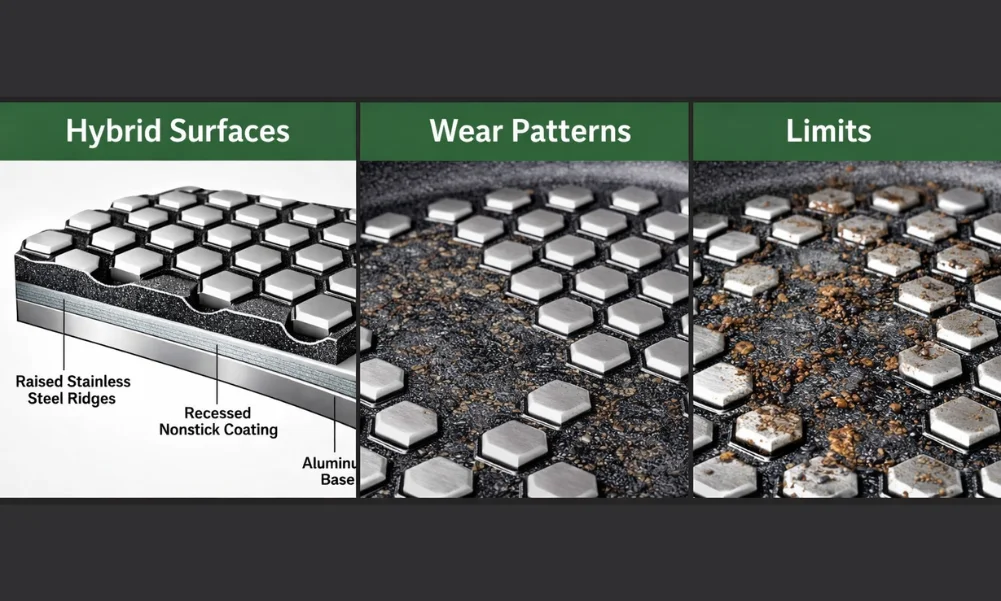
During normal cooking, this surface layer limits friction and reduces food adhesion. When heat remains within typical household ranges, the coating remains stable and predictable. As cookware experiences repeated heating cycles, cleaning, and handling, surface wear develops gradually rather than suddenly.
Safety concerns emerge only when this predictable behavior changes. Overheating, mechanical damage, or advanced wear can disrupt how the surface responds to heat and food contact. These changes are usually visible or detectable through altered cooking performance before they pose any practical concern.
This gradual progression explains why non-stick cookware safety is best evaluated through condition and behavior rather than age or brand reputation alone.
What “Safe” Means in Non-Stick Cookware Terms
In cookware evaluation, “safe” does not mean free from all materials or immune to wear. It describes cookware that behaves consistently within expected household use and signals its limits clearly as those limits approach.
Non-stick cookware remains within safe boundaries when:
- Surface behavior remains smooth and predictable
- Heat response remains stable during cooking
- Wear develops slowly and visibly
So Which Non-Stick Type Is Safest for Most Homes?
For most home cooks, PTFE-based non-stick cookware used at low to moderate heat offers the widest margin of predictable performance. Ceramic-coated cookware is also safe but tends to lose non-stick behavior sooner, requiring earlier replacement. In both cases, safety depends more on heat control and surface condition than on brand or coating claims.
When these conditions change, cookware performance declines before safety becomes uncertain. Food release typically worsens first, followed by uneven heating or surface degradation. These functional signals provide clear guidance about when cookware has reached the end of its useful life.
This behavior-based understanding aligns with how cookware lifespan is evaluated more broadly, as explained in how long should cookware last. Safety and longevity move together because both depend on structural and surface stability rather than hidden chemical thresholds.
PTFE-Based Non-Stick Cookware and Safety Stability
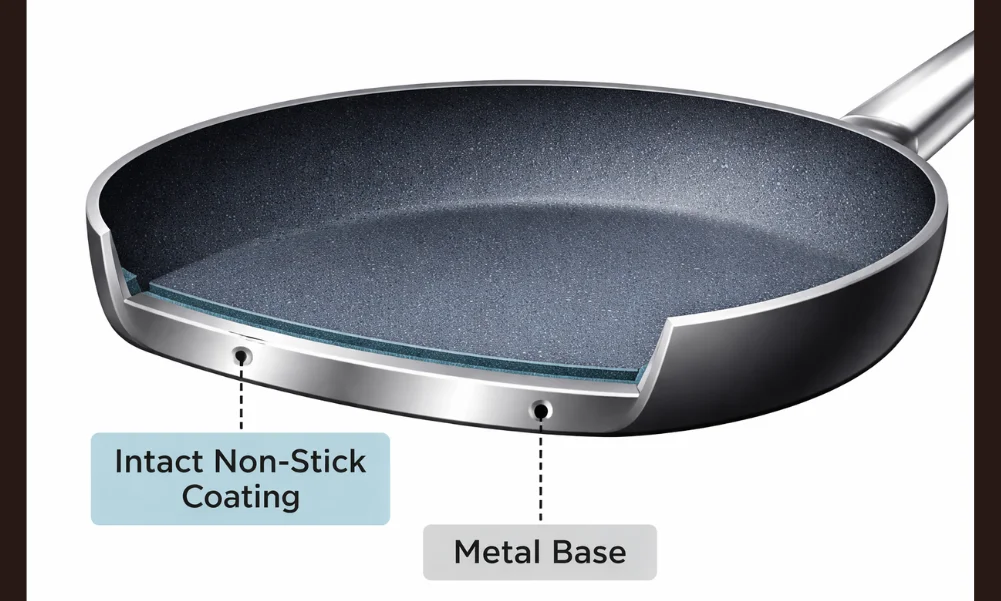
PTFE-based non-stick cookware remains the most common non-stick category used in home kitchens. Its safety profile is tied to how the coating behaves under heat rather than to the presence of the coating itself.
When exposed to normal household cooking temperatures, PTFE coatings remain chemically stable and maintain consistent surface behavior. The coating does not actively interact with food. Instead, it functions as a physical barrier that reduces adhesion and limits friction during cooking.
Safety concerns associated with PTFE emerged historically from extreme overheating scenarios and older manufacturing practices. Modern PTFE cookware no longer uses legacy processing chemicals that raised earlier concerns, and current products are produced under updated regulatory standards.
Under typical cooking conditions, changes in PTFE cookware appear gradually. Surface wear manifests as reduced food release or uneven performance rather than sudden degradation. These performance shifts signal that the surface is aging, not that it has become immediately unsafe.
Because PTFE performance declines before structural integrity is compromised, replacement decisions can be based on observable cooking behavior rather than speculation about invisible risk.
Ceramic-Coated Non-Stick Cookware Behavior
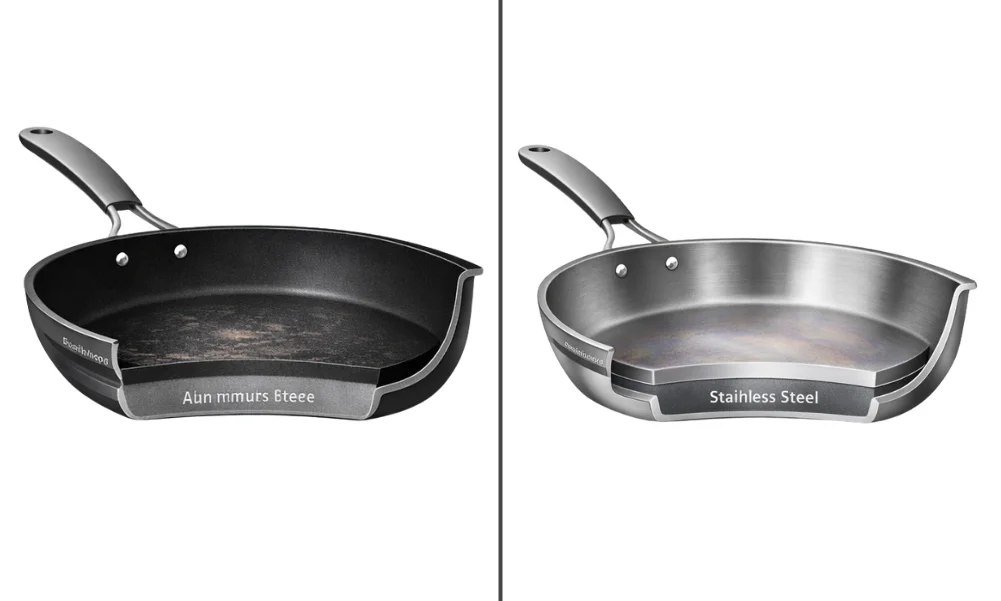
Ceramic-coated non-stick cookware uses a mineral-based surface layer rather than a polymer coating. The base material beneath the coating is most often aluminum, which governs heat responsiveness and distribution.
When intact, ceramic coatings behave predictably and resist chemical interaction with food. Their safety limits are mechanical rather than chemical, meaning performance changes are driven by surface wear and heat stress rather than material instability.
Compared to PTFE, ceramic coatings tend to lose non-stick performance more quickly with repeated use. This decline occurs as the surface becomes microscopically rougher over time, reducing release consistency. The change is usually noticeable through cooking results before visible surface damage appears.
As ceramic coatings thin, food interaction becomes less predictable. This does not indicate sudden safety failure. Instead, it reflects a narrowing margin between stable behavior and surface degradation. Replacement becomes appropriate when performance no longer aligns with intended use.
This pattern explains why ceramic cookware is often described as safe but shorter-lived. Safety remains tied to condition, while longevity depends on how slowly surface behavior changes under repeated use.
How Construction Quality Influences Non-Stick Safety
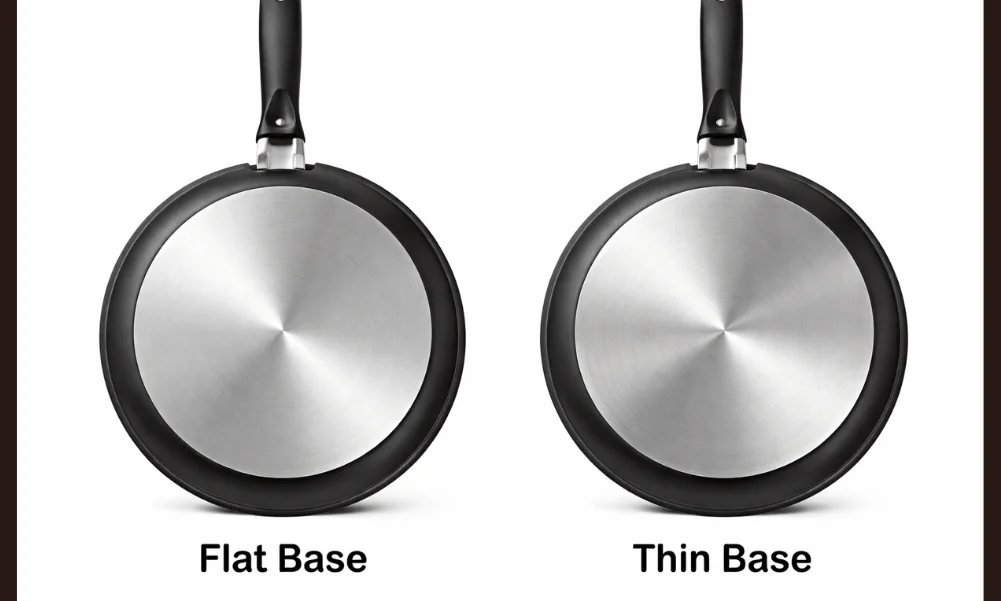
Non-stick cookware safety is influenced not only by coating type but also by how the cookware body manages heat. Construction quality determines how evenly heat spreads and how quickly surface stress accumulates.
Cookware with thicker bases and consistent material bonding distributes heat more evenly across the cooking surface. This reduces localized hot spots that accelerate coating wear and destabilize surface behavior. Thinner cookware tends to experience greater temperature variation, which narrows the margin for predictable non-stick performance.
Stable construction also affects how cookware ages. When heat distribution remains even, surface degradation develops gradually and uniformly. When heat concentrates unevenly, wear accelerates in specific areas, leading to earlier performance decline.
These structural factors explain why non-stick cookware safety cannot be evaluated by coating type alone. The interaction between surface layer and base construction defines how reliably the cookware performs over time.
Longevity and Safety Interaction in Non-Stick Cookware
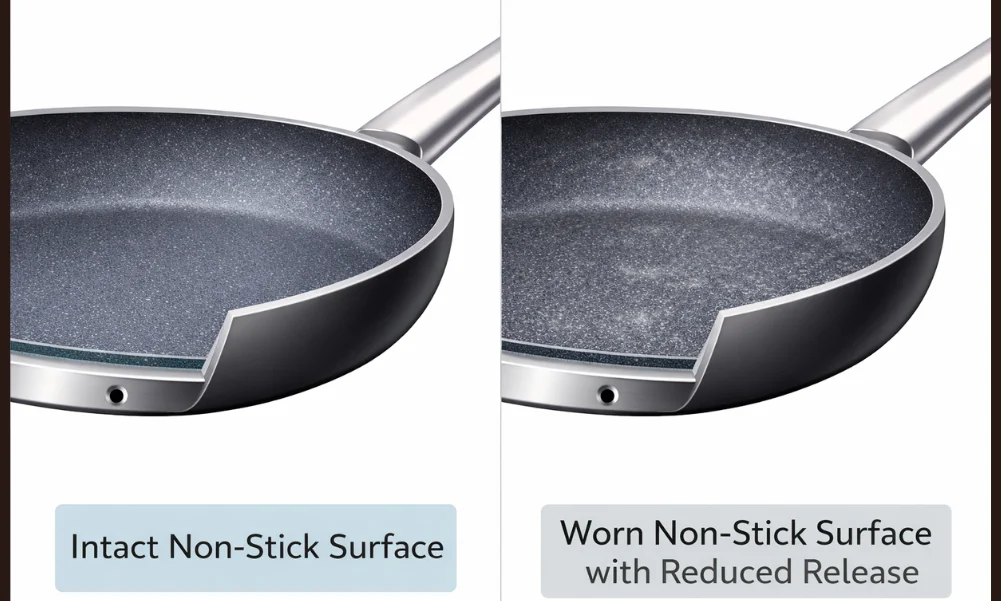
Non-stick cookware safety and longevity are closely linked because both depend on surface stability. As long as the coating behaves predictably, food interaction remains controlled and heat response stays consistent.
Over time, all non-stick surfaces experience gradual wear. This wear does not introduce sudden hazards. Instead, it alters cooking behavior in small, observable ways. Food may release less easily, heat may feel less even, or the surface may lose its uniform texture.
These changes indicate that the cookware is moving beyond its optimal performance window. Safety concerns arise only when surface breakdown becomes advanced enough to affect control or stability during cooking. Because these changes are visible and progressive, they provide clear signals for replacement without requiring assumptions about hidden risk.
This relationship mirrors broader cookware lifespan patterns, where gradual functional decline precedes safety concerns, as outlined in how long should cookware last.
When Non-Stick Behavior Matters Most — and When It Does Not
Non-stick surface behavior matters most during cooking situations that involve direct heat exposure without buffering from food or liquid. Dry heating and repeated high-temperature exposure place the greatest stress on surface stability and accelerate wear.
Behavior matters less during low-temperature cooking, short contact times, and tasks where food moisture moderates surface temperature. In these conditions, surface interaction remains predictable even as cookware ages.
Importantly, reduced non-stick performance does not automatically signal unsafe cookware. Many changes affect convenience rather than safety. Clear safety concerns emerge only when surface degradation alters control, stability, or heat response in ways that interfere with normal cooking.
Recognizing this distinction helps separate normal wear from meaningful replacement signals, which are explained further in signs cookware not safe to use.
For readers comparing cookware options, understanding coating behavior and construction quality matters more than brand marketing or price tier.
Closing Summary
The safest non-stick cookware for home cooking is cookware that maintains stable, predictable surface behavior under normal household use. Safety depends on coating integrity, construction quality, and how gradually performance changes over time rather than on marketing labels or absolute material claims.
Modern PTFE and ceramic non-stick cookware can both be safe when used within their behavioral limits. Differences between them relate more to longevity and performance consistency than to fundamental safety. Replacement decisions are best guided by observable cooking behavior rather than fear of unseen contamination.
Understanding how non-stick surfaces wear and signal their limits allows home cooks to use these tools confidently and replace them calmly when performance no longer aligns with intended use.