


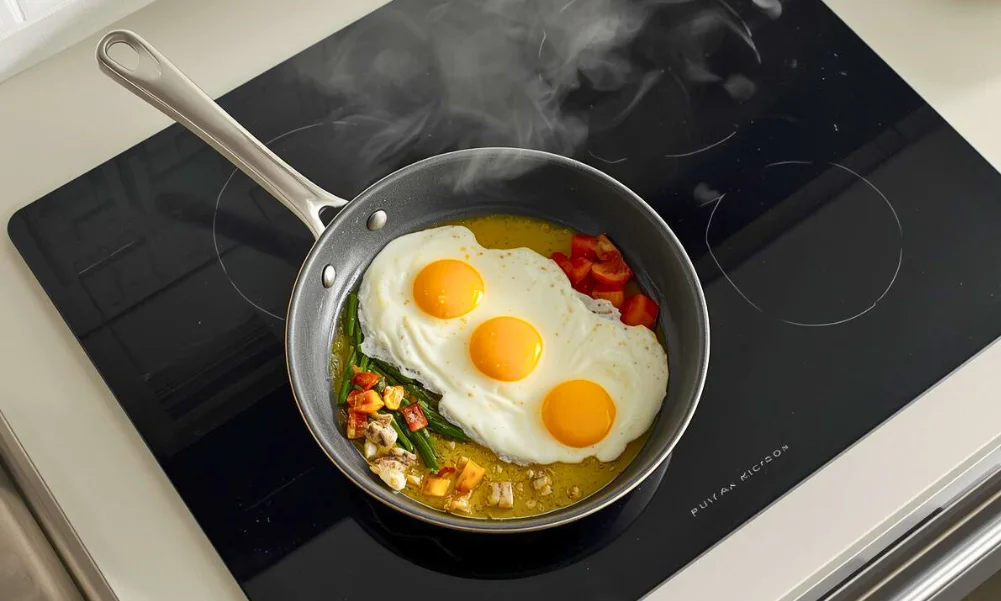
Ceramic cookware is often promoted as a safer or more natural alternative to traditional non-stick cookware. Many buyers are drawn to it because it is marketed as PTFE-free and associated with “non-toxic” cooking.
At the same time, ceramic cookware is widely misunderstood. Some consumers expect it to behave like traditional non-stick for many years, while others assume all ceramic cookware is made entirely of ceramic material.
This article explains ceramic cookware in practical terms. It clarifies what ceramic cookware actually is, how ceramic coatings behave in everyday cooking, and how long they realistically last. The goal is to help readers form accurate expectations before choosing ceramic cookware.
Quick Answer: Is Ceramic Cookware Safe and Durable?
Ceramic cookware is generally considered safe when the coating is intact and used within recommended temperature ranges. Most ceramic pans sold today fall under the category of ceramic nonstick cookware rather than solid ceramic construction.
Most ceramic cookware on the market uses a ceramic-based coating applied to a metal base, rather than being made entirely of ceramic.
Non-stick performance tends to decline faster than with PTFE-coated cookware. Longevity depends heavily on heat control, cleaning practices, and overall care.
Ceramic cookware works best for light, everyday cooking rather than high-heat or long-term heavy use.
Ceramic cookware should be viewed as a convenience-focused, shorter-lifespan option rather than a long-term replacement for traditional non-stick or uncoated metal cookware.
What Ceramic Cookware Actually Is
Understanding ceramic cookware starts with distinguishing between two very different product types that are often grouped under the same label.
Ceramic-Coated Cookware Explained
Most ceramic cookware sold today is ceramic-coated metal cookware. The base material is typically aluminum or stainless steel, chosen for efficient heat conduction and structural support.
A ceramic-based coating is applied to the cooking surface. This coating creates a smooth, non-stick layer without using PTFE or PFOA. The cookware relies on the metal base for heat performance and on the coating for food release.
This construction explains why ceramic cookware heats quickly but does not behave like solid ceramic bakeware.
100% Ceramic Cookware Explained
Fully ceramic cookware is made entirely from ceramic material. This type of cookware is far less common and is usually limited to baking dishes or specialty items.
Solid ceramic cookware is non-reactive but more fragile. It has lower heat tolerance on stovetops and can crack under rapid temperature changes.
Because of these limitations, most everyday ceramic cookware discussions refer to ceramic-coated cookware rather than solid ceramic pieces.
While the coating avoids PTFE, it trades flexibility for hardness, which directly affects how long non-stick performance lasts.
How Ceramic Non-Stick Coatings Work
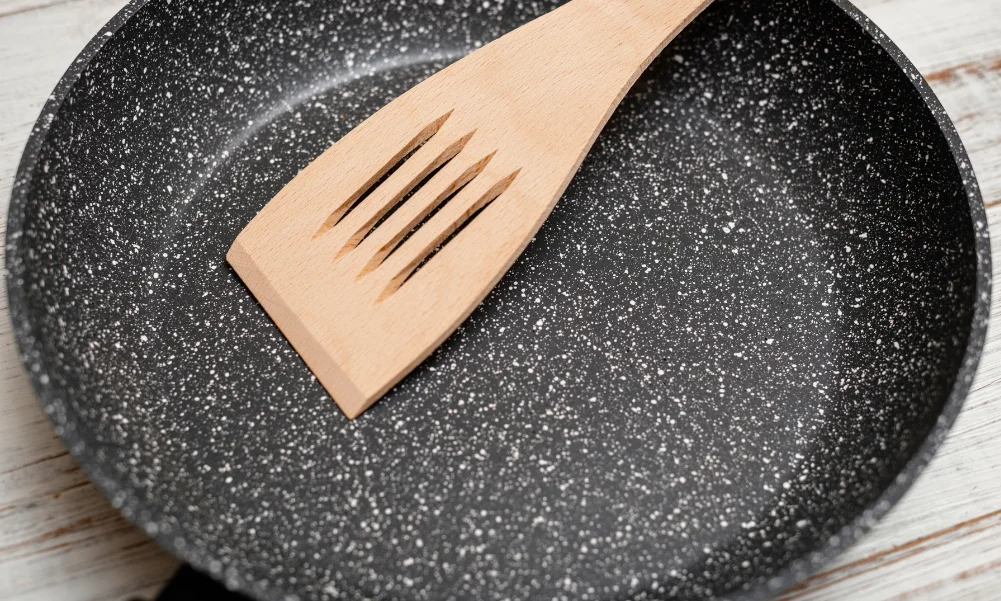
Ceramic non-stick coatings differ from traditional PTFE coatings in both composition and behavior. These differences affect how ceramic cookware performs and how long it remains effective.
Composition of Ceramic Coatings
Ceramic coatings are typically made from inorganic materials, often derived from silica. The coating is applied as a liquid and then cured at high temperatures to form a smooth surface.
Because the coating is inorganic, it does not contain PTFE or PFOA. This distinction is central to how ceramic cookware is marketed and why it is often associated with “non-toxic” claims.
However, the absence of PTFE does not automatically determine performance or durability. The structure of the coating plays a larger role in how it behaves over time.
How Ceramic Achieves Non-Stick Performance
Ceramic coatings rely on surface smoothness rather than flexibility. When new, the surface allows food to release easily with minimal oil.
Over time, repeated heating and cooling can change the surface structure. As the coating degrades, the surface becomes less smooth, which reduces non-stick performance.
This wear pattern explains why ceramic cookware often performs very well initially and then declines more quickly than PTFE-coated cookware.
🔗 Related: Cookware Types Explained: Materials, Uses, and Limitations
Safety of Ceramic Cookware
Safety discussions around ceramic cookware often focus on chemical exposure. A complete view also considers heat tolerance and surface condition.
Chemical Safety Perspective
Ceramic coatings are generally regarded as chemically stable when intact. They do not rely on fluoropolymer compounds and are commonly labeled as PTFE-free and PFOA-free.
For many home cooks, this provides peace of mind by avoiding concerns about harmful chemicals associated with some traditional non-stick coatings.
For users concerned about these specific substances, ceramic cookware addresses that preference. However, safety still depends on using the cookware as intended.
Heat Tolerance and Degradation
Ceramic coatings are sensitive to high heat. Prolonged exposure to high temperatures can accelerate surface breakdown.
As the coating degrades, non-stick performance declines. While this does not necessarily create immediate safety concerns, it does affect usability and cooking results.
Maintaining moderate heat levels helps preserve the coating and extend its effective lifespan. In most cases, ceramic cookware becomes inconvenient before it becomes unsafe.
Chipping and Surface Wear
Ceramic coatings can chip or wear with use, especially when exposed to metal utensils or abrasive cleaning tools. Once significant chipping occurs, the cookware’s performance declines and replacement becomes the practical option.
At that stage, continuing to use the cookware offers little benefit and often leads to sticking and uneven cooking.
🔗 Related: Cookware Safety Certifications Explained
Longevity: How Long Ceramic Cookware Actually Lasts
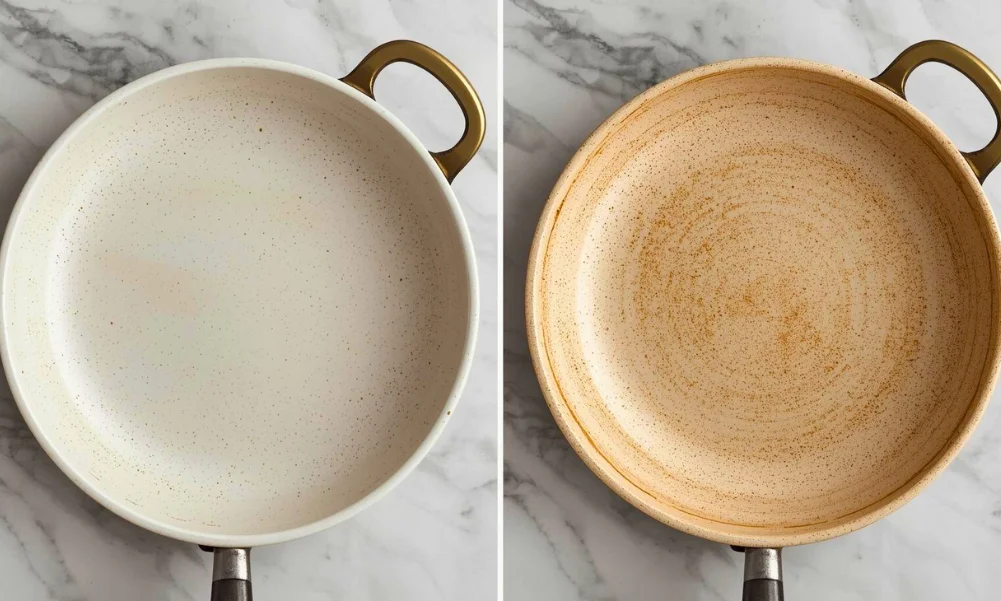
Longevity is one of the most misunderstood aspects of ceramic cookware.
Expected Lifespan Under Normal Use
Under typical home cooking conditions, ceramic cookware often maintains strong non-stick performance for a shorter period than PTFE-coated cookware. Many users notice a decline within months rather than years.
Even high quality ceramic cookware follows this pattern, as coating structure rather than price largely determines long-term non-stick performance.
This shorter performance window aligns with broader expectations outlined in how long should cookware last, where coating-based cookware is evaluated by functional decline rather than appearance.
This change may feel sudden, but it reflects gradual surface wear reaching a tipping point where food release noticeably worsens.
Factors That Shorten Lifespan
High heat accelerates coating degradation. Dishwasher use, while convenient, exposes the surface to detergents and heat cycles that increase wear.
Metal utensils and abrasive sponges further reduce coating integrity. Each of these factors compounds over time.
Why Ceramic Loses Non-Stick Faster Than PTFE
Ceramic coatings are harder and less flexible than PTFE. This rigidity makes them more prone to micro-cracking as they expand and contract during heating.
Once the surface smoothness changes, non-stick performance declines even if the coating appears visually intact.
Ceramic Cookware Compared With Other Options
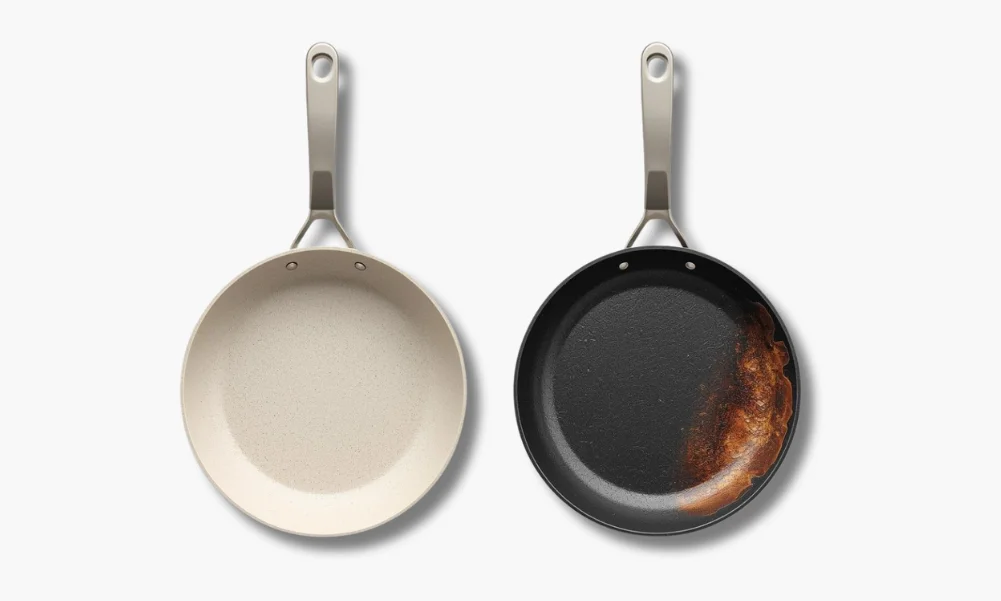
Comparing ceramic cookware with materials such as PTFE non-stick, anodized aluminum, or cast iron helps place its strengths and limitations in context.
Ceramic vs PTFE (Teflon) Cookware
PTFE-coated cookware typically retains non-stick performance longer under similar conditions. Ceramic cookware offers PTFE-free cooking but sacrifices longevity.
This trade-off is explained in more detail in is Teflon-coated cookware still safe to use, where performance stability is separated from safety concerns.
Heat tolerance also differs. PTFE handles moderate heat more consistently, while ceramic requires stricter heat control to preserve performance.
Ceramic vs Anodized Aluminum
Anodized aluminum cookware does not rely on a non-stick coating. It offers durability and higher heat tolerance but requires more oil for food release.
Ceramic cookware prioritizes convenience and easy cleanup when new, while anodized aluminum emphasizes longevity and resilience.
🔗 Related: Is Aluminum Cookware Safe for Everyday Use
Pros of Ceramic Cookware
Ceramic cookware offers several advantages that appeal to specific cooking preferences.
PTFE-Free Cooking Surface: For users who prefer cookware without fluoropolymer coatings, ceramic provides an alternative that aligns with that goal.
Easy Cleanup When New: When the coating is intact, ceramic cookware releases food easily and cleans up quickly with minimal effort.
Lower Initial Cost: Ceramic cookware is often priced accessibly, making it appealing for short-term use or lighter cooking demands.
Cons and Limitations to Understand
A balanced view requires acknowledging ceramic cookware’s constraints.
Shorter Non-Stick Lifespan: Compared with PTFE-coated cookware, ceramic surfaces generally lose effectiveness sooner. This shorter lifespan is a common source of dissatisfaction.
Sensitivity to Heat: High heat accelerates degradation. Ceramic cookware performs best at low to medium temperatures.
Marketing vs Reality Gap: Marketing often emphasizes safety while underplaying longevity limits. Realistic expectations help avoid disappointment.
How to Care for Ceramic Cookware Properly
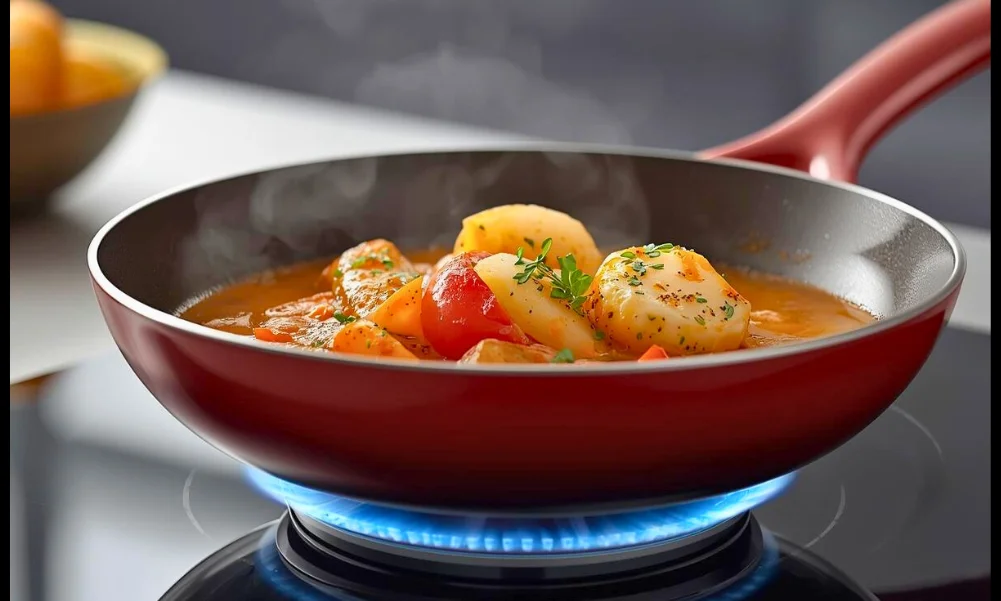
Care practices significantly influence ceramic cookware performance.
Heat Management: Using moderate heat helps preserve the coating. Preheating should be brief, and empty pans should not be overheated.
Cleaning Practices: Ceramic cookware is easiest to clean when washed by hand using soap and a soft sponge, which helps preserve the non-stick surface. Allow cookware to cool before cleaning to reduce stress on the coating.
Storage and Utensil Choice: Soft utensils and careful stacking reduce surface damage. Protective liners help prevent chipping.
Who Ceramic Cookware Is Best For
Ceramic cookware suits cooks who prepare simple meals at moderate heat and value easy cleanup. It works well for light sautéing and reheating.
When Another Material Is Better: For high-heat cooking, frequent use, or long-term durability, materials such as stainless steel or carbon steel are often better choices.
Final Takeaway: Should You Choose Ceramic Cookware?
Ceramic cookware offers a PTFE-free non-stick option with strong initial performance. Its main limitation is longevity, which depends heavily on care and heat control.
When used for appropriate tasks and with realistic expectations, ceramic cookware can serve a useful role. Understanding its trade-offs helps prevent frustration and premature replacement.
Frequently Asked Questions
Is ceramic cookware really non-toxic?
Ceramic coatings are generally considered safe when intact and used as intended.
Does ceramic cookware chip?
Chipping can occur with impact or abrasive use.
Can ceramic cookware go in the dishwasher?
Hand washing is recommended to extend coating life.
How do you know when to replace ceramic cookware?
Persistent sticking and visible surface wear indicate that replacement is appropriate.
